Marina Bay skyline at dusk UK mortgages for British expats and residents living in Singapore

Expat Mortgages

UK mortgages for expats in Singapore.

In short: Singapore-based buyers can be considered for UK mortgages on verified SGD income, typically with a 25–40% deposit; lender acceptance and currency treatment are confirmed individually.

Contributor and reviewer: James Caldwell

Completed case · Singapore

£250,000 equity release on a Surrey buy-to-let for a UK expat in Singapore

Read the case below

Can expats in Singapore get a UK mortgage?

Yes. Singapore-based buyers can arrange UK mortgages through lenders that accept overseas applicants and SGD income. As an indicative guide, deposits are often 25–40%, lenders may adjust converted income for currency risk, and a well-prepared case commonly takes eight to fourteen weeks.

  • SGD salary, bonus and self-employed income can be considered.
  • Residential, buy-to-let and remortgage cases are possible.
  • A UK limited company can be considered for buy-to-let.
  • Complete IRAS, banking and source-of-funds evidence helps avoid delays.

Get Your Finance Assessment

Two quick steps — a specialist will respond within one working day.

  • 40+ lendersWhole-of-market panel
  • 8–14 weeksTypical completion
  • No obligationFree initial review
£

An exact value lets us calculate your LTV straight away.

£

An exact figure lets us calculate LTV and indicative terms straight away.

Your figures

You're enquiring about a mortgage or remortgage for property in the United Kingdom, while living abroad.
Confidential — no obligation Rated 4.9 on Trustpilot

Last updated Reviewed by our Clifton International finance team.

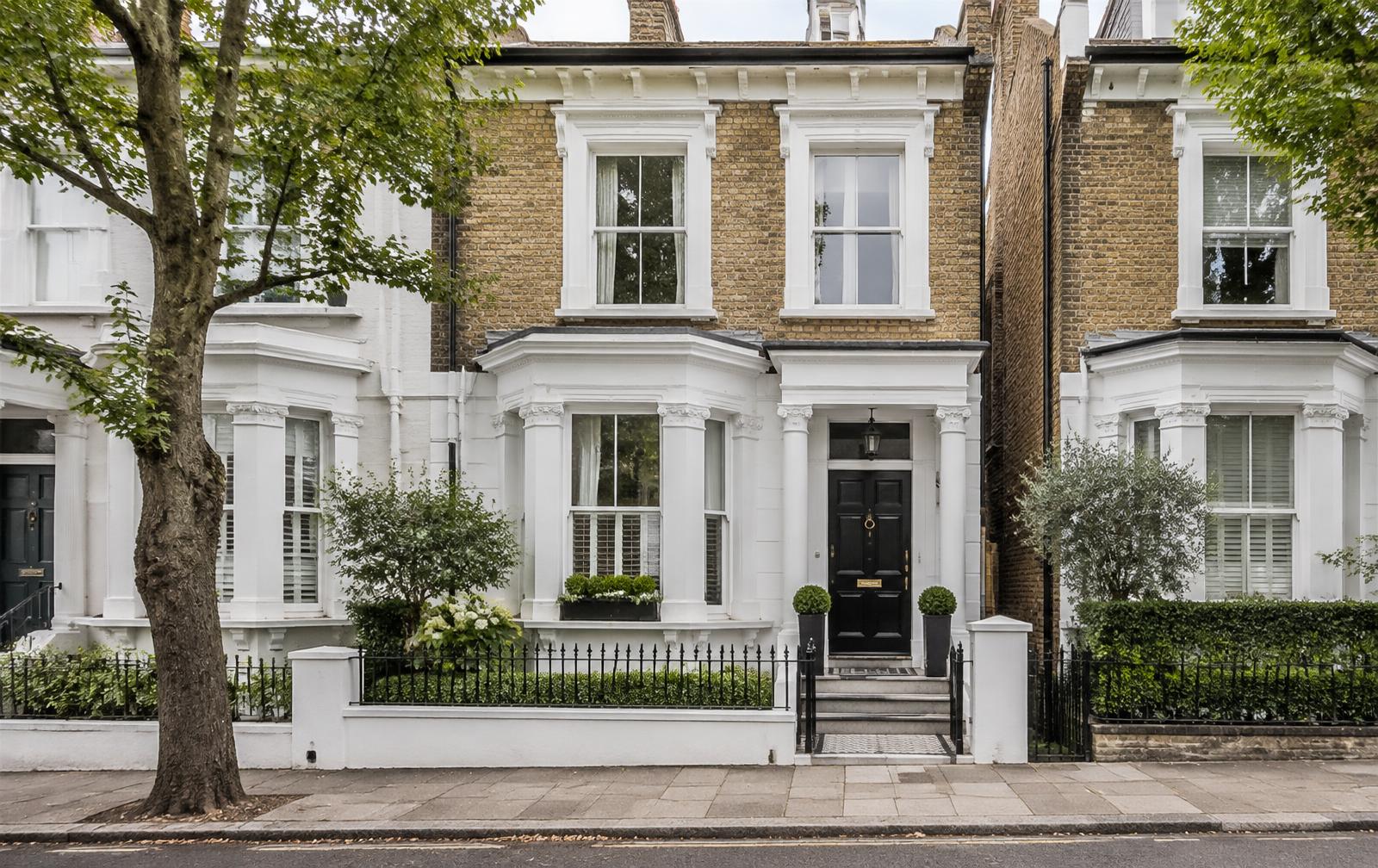
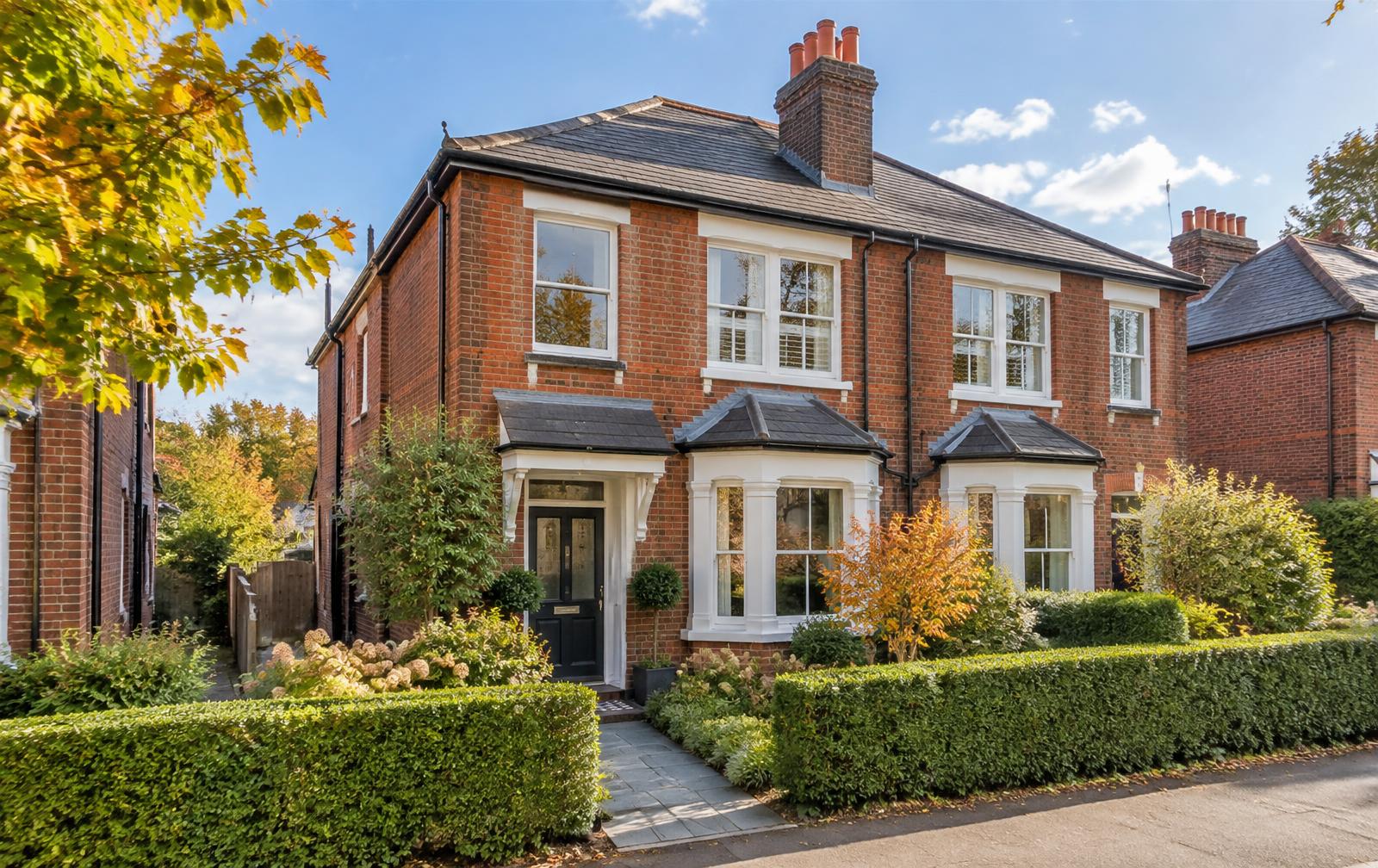
Illustrative red-brick Surrey investment home; not the actual clients' property

Case study · Surrey

£250K released from a Surrey buy-to-let for Singapore-based expats

A British couple living and working in Singapore remortgaged a well-performing Surrey buy-to-let and released £250,000 to restructure borrowing across their wider UK property portfolio.

Capital released
£250,000
Monthly rent
£1,900
Security
Surrey buy-to-let

Source: Clifton International's supplied account of an anonymised completed transaction. £250,000 is equity released, not the total mortgage advance; monthly rent was £1,900. Total mortgage, valuation, LTV, rate and completion date are not disclosed. Clifton International acted as introducer, not lender or mortgage adviser.

Read the full case study

Illustrative property image — not the client’s actual property.

At a glance

Key facts

Figures reviewed:

Indicative deposit
25% – 40%A planning range, not a minimum guaranteed for every product. Residency, nationality, property use and lender criteria affect the deposit.
Income currencies considered
SGD, USD, GBPSubject to lender acceptance and evidence; conversion and any income adjustment vary.
Purposes
Purchase, BTL, remortgage
Indicative timescale
8–14 weeksFrom a complete application to completion; valuation, certification and legal work may extend this. Time-critical purchase? Bridging from Singapore may complete in around 3–5 weeks.
Mortgage pricing
See the approved monthly rates belowDated indicative figures, not an individual quote. Product, repayment method, LTV and fees affect pricing.
Fees and purchase costs
Confirm for your transactionAllow separately for product fees, valuation, legal costs and any property taxes. Compare total cost, not only interest.

Indicative figures for guidance only, correct as at November 2026. Rates, costs and timelines vary by lender, borrower profile, asset and jurisdiction, and are not an offer of finance. How we derive these figures.

Methodology and assumptions

  • Figures are compiled by Clifton International specialists from live lender term sheets, indicative quotes and completed transactions arranged over the preceding 12 months.
  • Rates and costs are stated as ranges rather than a single number because pricing is set case-by-case on borrower profile, residency, asset type, location and loan-to-value.
  • Timelines assume a complete document file from the outset; valuation, legal capacity and (in Spain) NIE and notary availability drive the critical path.
  • Costs exclude any lender, broker or third-party fees not stated on the page, and exclude currency movement between agreement and drawdown.
  • Figures are reviewed monthly and re-checked against lender pricing whenever a material market change occurs.

Last reviewed . Read the full Key facts methodology, or speak to our team for a quote based on your circumstances.

Who this page is for

This page covers two groups buying UK property from Singapore:

  • UK expats living in Singapore — British nationals earning in SGD who want to buy, remortgage or let UK property.
  • Singapore citizens and residents living in Singapore — buying a UK home, a future home or an investment property.

If you already live and work in the UK, your visa or settled status may place you on a UK-resident route. See our UK mortgages page instead.

Borrower eligibility

Who we can help

  • British expatriates living and working in Singapore
  • Singapore citizens and permanent residents buying UK property
  • Employment Pass and other eligible pass holders based in Singapore
  • Singapore-based landlords buying or remortgaging UK buy-to-let
  • Self-employed applicants with IRAS and ACRA records
  • Buyers purchasing through a UK limited company

Typical lending criteria

Indicative criteria for Singapore-based applicants

These are preparation assumptions, not a promise of eligibility. The lender assesses your residence, nationality, property, income evidence and source of funds.

Indicative deposit
25% – 40%A planning range, not a minimum guaranteed for every product. Residency, nationality, property use and lender criteria affect the deposit.
Income currencies considered
SGD, USD, GBPSubject to lender acceptance and evidence; conversion and any income adjustment vary.
Purposes
Purchase, BTL, remortgage
Indicative timescale
8–14 weeksFrom a complete application to completion; valuation, certification and legal work may extend this. Time-critical purchase? Bridging from Singapore may complete in around 3–5 weeks.

Indicative only. Actual terms depend on borrower profile, asset and lender criteria.

Key figures

UK expat mortgage rates this month

Rates checked 2 November 2026 across 6 UK lenders that accept expat applicants. Based on a £300,000 loan, capital and interest.

Residential 2-year fixed, 75% LTV
from 5.64%*
typical 5.66%
Residential 5-year fixed, 75% LTV
from 5.63%*
typical 5.75%
Buy-to-let 2-year fixed, 75% LTV
from 5.69%*
typical 5.72%
Buy-to-let 5-year fixed, 75% LTV
from 5.54%*
typical 5.74%

Expat rate questions

What are UK expat mortgage rates this month?

As at 2 November 2026, 2-year fixed residential expat rates on our panel start from 5.54% at 60% LTV and 5.64% at 80% LTV, based on a £300,000 loan, capital and interest. Product fees may apply.

What is a typical expat buy-to-let rate?

For a 5-year fixed expat buy-to-let at 75% LTV, rates start from 5.54% with a typical rate of 5.74% across 5 lenders (2 November 2026).

Can expats get an interest-only mortgage?

Yes. Interest-only residential 2-year fixes at 75% LTV start from 5.85% as at 2 November 2026. You will need a credible plan to repay the balance at the end of the term.

*Product fees may apply. Indicative initial rates only; after the fixed term the rate reverts to the lender's variable rate. Source: published lender rate sheets for intermediaries, approved by Clifton International (2 November 2026). Not an offer of finance; your home may be repossessed if you do not keep up repayments on your mortgage.

Indicative expat mortgage rates

Market-leading fixed rates from our expat lender panel. The panel rate sheets were last checked and approved 2 November 2026; this article's content-review date is separate and shown with the reviewer credit. Choose your property type, fixed period, loan-to-value and loan size.

Property type
Fixed period
Repayment type
Loan-to-value

Residential · Capital & interest · 2-year fixed · up to 75% LTV

5.64% – 5.66%*

Lowest to typical rate available · 4 panel lenders qualify · property value approx. £666,667

After the 2-year initial product term ends, the rate reverts to the lender's variable rate unless you remortgage or switch to a new product.

Example monthly payment at the lowest rate: £3,112Capital and interest over 25 years.

How this rate comparison works

In short: for each combination you choose, we take the cheapest product from every panel lender that covers your loan size and loan-to-value. The lowest figure is the cheapest of those; the typical figure is the median across the qualifying lenders, so it reflects the middle of the panel rather than its best headline rate.

This comparison is supported by 4 qualifying panel lenders out of the 6 lenders on our expat panel.

Lender names are deliberately withheld: the underlying rate sheets are published for intermediaries, and named products are confirmed with you in a private recommendation, not in a public comparison. The date above is the rate-approval date — when the panel rate sheets were last checked and approved — and governs the figures only; this article's content-review date is checked separately and shown with the reviewer credit.

*Product fees may apply. Indicative only, based on published rates for international borrowers; not a quote, offer or recommendation. Eligibility, income currency, residency and property type affect the rate available.Your home may be repossessed if you do not keep up repayments on your mortgage.

Earning in euros? See UK mortgages with euro income — for eurozone expats and UK residents paid in EUR. Paid in dollars? See UK mortgages with US dollar income.

Send these details to a specialist — we'll confirm the best available rate within one working day.

Enquire with these details

How UK lenders commonly view Singapore income

In short: income is converted into pounds and may be reduced for currency risk; how much counts depends on its type and lender policy. These are common approaches, not guaranteed terms.

Salaried employee

Evidence commonly requested
Payslips, employment contract, IRAS Notices of Assessment, bank statements
Common treatment
Eligible salary may count after conversion and any lender-specific adjustment

Bonus or commission

Evidence commonly requested
Evidence of payment history; some lenders ask for two years
Common treatment
May be averaged or partly counted; the period and proportion vary

Share awards (RSUs)

Evidence commonly requested
Vesting schedules and evidence of past vesting
Common treatment
Considered by some lenders only; often discounted

Housing and other allowances

Evidence commonly requested
Contract or employer letter confirming the allowance
Common treatment
Guaranteed allowances may count; discretionary ones often do not

Self-employed or company director

Evidence commonly requested
Accounts, tax records and ACRA Business Profile; required history varies
Common treatment
Profit, salary and dividends assessed under the lender's own policy

UK mortgages for finance, technology and regional management professionals in Singapore

Many British expats in Singapore work in banking and financial services, technology, energy and commodities trading, or regional management roles. Packages often combine an SGD salary with bonuses, restricted stock units (RSUs) and housing or schooling allowances. UK lenders treat each element differently: base salary is usually the starting point, bonuses may be averaged or partly counted, RSUs are considered by some lenders only, and guaranteed allowances may count where discretionary ones often do not. Eligibility depends on your employment arrangements, financial circumstances and the property—not your profession alone.

Documents checklist for applicants in Singapore

The document pack UK lenders commonly request — Singapore residency evidence, SGD income, IRAS records, banking history, source of funds and certified copies.

Read the documents checklist

Start an enquiry

Opens our enquiry form already filled in as an expat UK mortgage for a Singapore-based applicant — just add your details.

Enquire about a UK mortgage from Singapore

Clifton International introduces you to lenders and brokers; it is not a lender and does not handle client funds.

Remortgaging UK property while living in Singapore

In short: many Singapore-based owners remortgage when a fixed rate ends, to release equity or after letting out a former home. Your current lender may not offer a new deal to overseas residents, so an expat-friendly lender is often needed.

  • Fixed rate ending: start around three to six months before expiry to avoid moving onto the lender's standard variable rate.
  • Switching lenders: a new lender reassesses SGD income, residency and the property, including a fresh valuation.
  • Releasing equity: lenders ask what the money is for; loan size depends on value, rent or income and lender limits.
  • Letting a former home: moving to Singapore and renting out your UK home usually needs lender consent to let or a buy-to-let remortgage.

Useful details to have ready: current lender, balance, rate end date, estimated value, any rent received and the purpose of any extra borrowing.

Discuss remortgaging UK property from Singapore

Buying versus remortgaging from Singapore

In short: purchases focus on deposit and source of funds; remortgages focus on the existing loan, property value and how the property is used.

Main evidence

Buying UK property
Deposit source and SGD-to-GBP transfer trail
Remortgaging UK property
Current mortgage statement, balance and rate end date

Affordability

Buying UK property
Converted SGD income, or expected rent for buy-to-let
Remortgaging UK property
Converted SGD income, or current rent for buy-to-let

Stamp duty

Buying UK property
Non-resident surcharge may apply in England and Northern Ireland
Remortgaging UK property
Not usually payable on a remortgage

Valuation

Buying UK property
Lender valuation of the property being bought
Remortgaging UK property
Fresh valuation; may limit equity release

Typical timing

Buying UK property
Around 8–14 weeks from a complete application to completion
Remortgaging UK property
Around 8–14 weeks for a new mortgage; an existing-lender product switch may differ

Buying a UK buy-to-let while living in Singapore

In short: Singapore-based buyers can apply for UK rental-property finance in personal names or through a UK limited company. Lenders assess the rent, property, deposit and applicant circumstances; some also require personal income.

Personal ownership or a UK limited company?

In personal names, you own the property and apply individually or jointly. With a UK limited company, often a special purpose vehicle (SPV), the company owns the property and borrows. Company and overseas-director eligibility are assessed separately, and lenders may require personal guarantees. Incorporation is not automatically more tax-efficient: compare UK and Singapore tax obligations, company running costs, extracting profits and eventual sale plans with qualified advisers. Transferring a property you already own into a company can create tax and transaction costs.

Read our limited-company buy-to-let guide for expats.

Managing a UK rental property from Singapore

  • A UK managing agent can coordinate tenants, repairs and local compliance while you are overseas. Agree responsibility for emergencies and communication across the time difference.
  • Budget in sterling for insurance, safety checks, deposit protection, applicable licensing, repairs and periods without rent. Requirements vary across the UK.
  • If you let a former home, check consent to let or a buy-to-let remortgage with your lender before changing its use.

HMRC's Non-resident Landlord Scheme

Living in Singapore does not remove UK tax obligations on UK rental income. Under HMRC's Non-resident Landlord Scheme, a letting agent normally deducts basic-rate tax unless HMRC approves payment without deduction. A tenant paying more than £100 a week normally has withholding duties if there is no agent, unless HMRC authorises gross payment. Receiving rent gross does not mean it is tax-free; tax reporting and any amount due remain your responsibility. Individuals can apply using form NRL1; companies use a separate application.

Is UK rental income also taxed in Singapore?

UK rental income remains taxable in the UK, normally through HMRC's Non-resident Landlord Scheme and Self Assessment. Singapore generally does not tax foreign-sourced income received by resident individuals, though exceptions apply (for example, income received through a Singapore partnership). Confirm your position with IRAS guidance and a qualified tax adviser before relying on it.

General preparation guidance, not tax advice or an offer of finance. Ownership, lender criteria and tax treatment depend on your circumstances.

Which UK locations should Singapore-based landlords compare?

Manchester, Liverpool, Leeds, Birmingham, Nottingham and Bristol are starting points for research, not an endorsed shortlist or a ranking. These official figures describe each named local-authority area, not its wider metropolitan region. The right property depends on your budget, rental assessment, costs and arrangements for managing it from Singapore.

ONS release: · Source checked: · Next monthly review due: .

Manchester (ONS)

House price · August 2026
£257,000
Monthly rent · September 2026
£1,380
Rental growth · to September 2026
4.6%

Liverpool (ONS)

House price · August 2026
£188,000
Monthly rent · September 2026
£916
Rental growth · to September 2026
5.4%

Leeds (ONS)

House price · August 2026
£246,000
Monthly rent · September 2026
£1,148
Rental growth · to September 2026
4.5%

Birmingham (ONS)

House price · August 2026
£235,000
Monthly rent · September 2026
£1,106
Rental growth · to September 2026
3.3%

Nottingham (ONS)

House price · August 2026
£190,000
Monthly rent · September 2026
£1,015
Rental growth · to September 2026
1.7%

Bristol (ONS)

House price · August 2026
£354,000
Monthly rent · September 2026
£1,893
Rental growth · to September 2026
5.7%

Source: ONS Price Index of Private Rents and UK House Price Index (ONS / HM Land Registry), via the linked local housing pages and October 2026 bulletin. House prices are provisional and subject to revision. Figures are not seasonally adjusted; local estimates can be more variable than national figures. This is a dated snapshot, not live market data.

How to use these figures

  • City averages do not establish the value or achievable rent of a particular property.
  • Rental growth is not rental yield. House-price and rental averages cover different property populations: do not divide them to calculate investment yield.
  • Check management fees, repairs, service charges, insurance, tax and periods without tenants before assessing affordability.
  • Check licensing and landlord requirements with the relevant council for the actual address, and obtain the lender’s valuation and rental assessment.

Read our key-facts methodology for the distinction between official statistics and indicative finance assumptions. These figures are not investment advice or a forecast.

SGD income and sterling mortgage payments: what can change?

In short: your UK mortgage is payable in pounds, even when you earn Singapore dollars. A weaker SGD against sterling increases the SGD needed for the same pound payment; a stronger SGD reduces it.

Before buying: income and deposit assessment

A lender converts eligible SGD income into sterling using its own policy and may reduce the amount counted for currency risk. There is no universal conversion haircut. Until you transfer your deposit into pounds, exchange movements can also change the sterling funds available for the purchase and costs. Keep the source-of-funds and transfer trail clear.

After completion: budgeting in two currencies

Separate changes in the mortgage's sterling payment from changes in its SGD cost. A fixed interest rate does not fix the exchange rate. Rental income received in pounds may help cover a UK buy-to-let payment, but repairs, vacancies and tax still need a buffer. Discuss transfer timing, costs and currency exposure with a suitably qualified specialist.

Worked example: what if the Singapore dollar weakens 10%?

Suppose your UK mortgage payment is fixed at £2,000 a month. If the Singapore dollar later falls 10% against sterling, you need about 11.1% more SGD to pay the same £2,000, not 10% more. If SGD strengthens, you need fewer dollars. Illustrative arithmetic only; not an exchange-rate forecast or quote.

No SGD-to-GBP rate is quoted here: SGD is not covered by the site's approved currency snapshot. See our currency-exchange guidance for UK property.

Moving between Asian financial centres? Compare UK mortgages while living in Hong Kong, including HKD income and BN(O) visa routes.

Worked example

£300,000 expat mortgage on a £400,000 UK property

Example based on lender rates approved 2 November 2026. 75% LTV, £100,000 deposit, capital and interest over 25 years.

Monthly repayment on a £300,000 expat mortgage at approved rates
ProductLowest rate*Monthly repayment
Residential 2-year fixed5.64%£1,867
Residential 5-year fixed5.63%£1,866
Buy-to-let 2-year fixed5.69%£1,876
Buy-to-let 5-year fixed5.54%£1,849

As a buy-to-let on a 5-year fix, the rent needed would be approx. £1,731 per month — speak to our team to confirm.

*Product fees may apply. Indicative only, not a quote or offer. The rate reverts to the lender's variable rate after the initial fixed period. Your home may be repossessed if you do not keep up repayments on your mortgage.

Why clients choose us

Benefits at a glance

SGD income considered

Lenders that accept Singapore dollar income, with any currency adjustment explained before application.

Limited UK credit history

Some lenders consider applicants without UK credit history, using verified income, assets and overseas records. Acceptance and evidence requirements vary.

Buy-to-let from Singapore

Personal-name and UK limited-company options for Singapore-based landlords investing in UK property.

British and foreign nationals

Options for UK expats, Singapore citizens and other eligible residents applying from Singapore.

Documents made clearer

A checklist covering IRAS records, CPF evidence where relevant, ACRA records and source of funds.

Time-zone aware service

Scheduled calls arranged around Singapore working hours.

Contributor

Portrait of James Caldwell

James Caldwell

Director

LinkedIn profile
  • Co-founder
  • 26+ years in business and finance
  • Property finance specialist

James co-founded Clifton and has spent more than a decade building a specialist property finance business covering residential mortgages, bridging, development finance and complex international cases.

Short-term finance · indicative

Need to move quickly? Bridging finance from Singapore

If an auction, chain break or purchase deadline cannot wait for a standard expat mortgage, UK bridging finance may be an option for a Singapore-based buyer. The UK property, overseas identity and source-of-funds evidence, and a credible repayment exit all need assessment. Completion speed depends on valuation, legal work and a complete document pack.

Indicative completion
3–5 weeks
Indicative monthly cost
0.65%–1.00%

Per month, plus fees

Loan-to-value
Up to about 70%

Plan the exit before committing: usually a property sale or refinancing onto a term expat mortgage. A future mortgage is not guaranteed; check eligibility and affordability first and allow for delays. Bridging is short-term, can cost more than a mortgage, and puts the secured property at risk if it cannot be repaid.

Previously approved indicative ranges, not live lender pricing, a quote or a guaranteed timescale. Read UK bridging finance for expats and non-residents and our key facts methodology.

Discuss your UK purchase deadline

Where do the figures on this page come from?

  • Finance criteria and timing: the deposit and completion ranges are indicative preparation assumptions, not guaranteed lender terms. Income, credit-history acceptance and currency adjustments vary by lender. Our key facts methodology separates approved finance assumptions from official public statistics.
  • Mortgage rates: the monthly rate sections use the site's approved published snapshot, checked 2 November 2026. Individual offers depend on eligibility, loan-to-value, repayment method and fees. The editorial date is not a new rate approval.
  • Bridging: the Singapore section uses the previously approved expat ranges: 3–5 weeks, 0.65%–1.00% monthly plus fees and up to about 70% LTV. See expat and non-resident bridging guidance; these are not live lender quotes.
  • Tax: stamp duty follows HMRC's non-UK-resident SDLT guidance, reviewed 2 November 2026. Rental-income guidance follows HMRC's Non-resident Landlord Scheme. These are tax rules, not finance pricing; your solicitor or tax adviser must apply them to your circumstances.
  • Singapore evidence: IRAS is the official tax authority and ACRA provides company information. These sources explain records; they do not certify UK lender acceptance.
  • Currency and examples: the approved ECB reference display covers USD and EUR conversions, not SGD. No SGD exchange rate or universal income haircut is quoted here. The £300,000 mortgage example is illustrative; the Surrey case's £250,000 equity release and £1,900 rent are case-specific reported facts from Clifton International's supplied account, not independently audited market statistics.

Frequently asked

Questions from clients

Can bridging finance help Singapore-based buyers meet a fast UK deadline?

It may. Expat bridging can complete in around 3–5 weeks, with indicative costs of 0.65%–1.00% per month plus fees, and usually up to about 70% loan-to-value. Eligibility depends on the UK property, documentation and a credible exit such as a sale or refinancing onto a term mortgage. These are indicative ranges, not a quote or guaranteed completion time.

How can SGD exchange-rate changes affect my UK mortgage?

A sterling mortgage payment stays payable in pounds. If Singapore dollars weaken against sterling, you need more SGD to cover the same payment; if SGD strengthens, you need less. Exchange movements can also change the sterling value of a deposit before transfer. Lenders use their own conversion and income-adjustment policies. No SGD-to-GBP conversion is quoted here because the site's approved currency snapshot does not cover SGD.

What happens to my UK mortgage payment if the Singapore dollar weakens?

The sterling payment stays the same, but its SGD cost rises. Illustrative arithmetic: if the Singapore dollar falls 10% against sterling, the same pound payment costs about 11.1% more in SGD, not 10%. This is an example of the maths, not an exchange-rate forecast or quote.

Can people living in Singapore get a UK mortgage?

Yes. British expats and Singapore residents can arrange UK residential and buy-to-let mortgages through lenders and private banks that accept overseas applicants and SGD income. Approval depends on income, deposit, residency and the property.

Is Singapore dollar income accepted by UK lenders?

Yes. SGD is accepted by a number of UK lenders and private banks. For affordability, the lender usually converts the income into pounds and may then apply a currency adjustment to allow for exchange-rate movement.

What deposit do Singapore-based buyers need?

As an indicative working assumption, overseas applicants often need a 25–40% deposit. The exact amount depends on nationality, residency status, income, property use and lender criteria.

Do I need a UK credit history?

Not necessarily. Lenders experienced with overseas applicants can assess verified income, assets and Singapore banking history instead. They may ask for a Singapore credit report or additional bank references.

Can Singapore citizens buy UK property with a mortgage?

Yes. Singapore citizens can buy UK residential or investment property with a mortgage even if they have never lived in the UK. The lender will check identity, residency, income, source of funds and the proposed property.

Can I buy UK buy-to-let property while living in Singapore?

Yes. Buy-to-let can be arranged in personal names or through a UK limited company, subject to lender criteria. Affordability is usually driven mainly by the property's expected rent, although some lenders also require minimum personal income.

Will the UK non-resident stamp duty surcharge apply?

A 2-percentage-point non-resident SDLT surcharge can apply to residential purchases in England and Northern Ireland, in addition to any higher additional-property rates. For an individual, the initial test is presence in the UK at the end of at least 183 days during the 365-day period ending on the transaction's effective date, usually completion but sometimes earlier on substantial performance. Days anywhere in the UK count. This test is separate from nationality, immigration status and ordinary tax residence. Normally, one non-resident joint buyer brings the purchase within the surcharge. Spouses or civil partners buying together and living together are both treated as resident if one qualifies, provided neither is acting as a settlement trustee. Where all purchasers are individuals, a refund may be available if each meets the residence test, subject to that couple exception, in any continuous 365-day period starting no earlier than 364 days before and ending no later than 365 days after the effective date. The period may straddle the purchase date and differ between buyers. Apply within 2 years of the effective date. Companies have separate residence and control rules; the individual day test does not apply. Worldwide property ownership may affect additional-property rates. Scotland uses LBTT and Wales uses LTT, not this SDLT surcharge. Your conveyancer or tax adviser should confirm the rules and reliefs for your purchase.

Is UK rental income taxed if I live in Singapore?

UK rental income remains taxable in the UK, normally through HMRC's Non-resident Landlord Scheme and Self Assessment. Singapore generally does not tax foreign-sourced income received by resident individuals, though exceptions apply (for example, income received through a Singapore partnership). Confirm your position with IRAS guidance and a qualified tax adviser before relying on it.

Are these the best UK places to invest from Singapore?

No. Manchester, Liverpool, Leeds, Birmingham, Nottingham and Bristol are comparison areas, not a ranking or investment recommendation. Official local-authority averages provide context, but suitability depends on the specific property, achievable rent, purchase price, costs, licensing, management arrangements and lender assessment.

Does rental growth mean a higher rental yield?

No. Rental growth measures the change in rents over time; rental yield relates rental income to a property's purchase price or value. The ONS house-price and rental averages cover different property populations and must not be divided to estimate investment yield. Assess the actual property's rent and price, then account for costs and empty periods.

How long does a UK mortgage from Singapore take?

Allow around eight to fourteen weeks from a complete application to mortgage completion, not from your first enquiry or just to the offer. Valuation, certification, international identity checks and legal work can change the timetable. An existing-lender product switch may follow a different process; confirm that the lender accepts your overseas residence.

What documents will I need?

Usually a passport, Singapore residency evidence where relevant, proof of address, payslips and an employment contract, IRAS Notices of Assessment, bank statements, source-of-funds evidence and certified copies. Self-employed applicants normally provide accounts, tax records and ACRA company information.

Currency exchange

Earning overseas? Your deposit is exposed until it’s in sterling.

Expat buyers moving dollars, dirhams, riyals or euros into the UK can lose thousands to bank margins and rate moves. We introduce you to an FCA-authorised currency specialist who plans your transfer around exchange and completion.

  • Forward contracts to fix your sterling deposit before completion
  • Better-than-bank rates on large one-off and regular transfers
  • Flexible contact across time zones with a dedicated specialist

Clifton introduces clients to a specialist currency partner and does not hold, convert or transfer client funds.

UK expat finance

Holding significant digital assets alongside your overseas income? Qualifying professional investors can explore finance against Bitcoin or other digital assets for property purchases or other liquidity needs, subject to provider approval, permitted purposes and local restrictions. This is separate from a UK expat mortgage; collateral, custody and margin-call risks apply, and independent tax advice is essential.

Ready to explore your options?

Speak to a UK property finance specialist.

A discreet, no-obligation conversation with a UK-based adviser who understands the full UK lending landscape — residential, bridging, development and commercial.