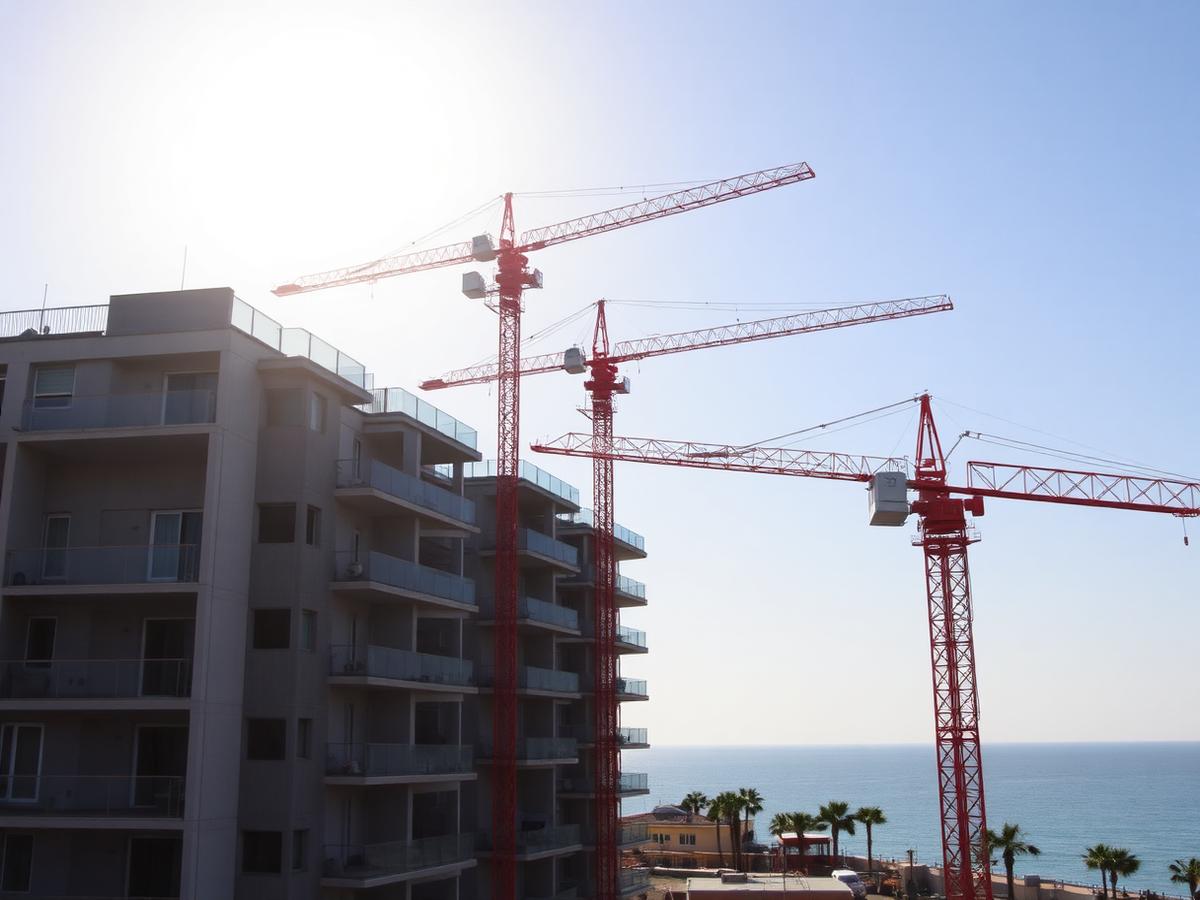
How do Spanish developers use bridging finance?
Developers use Spanish bridging to buy land or stalled schemes at speed, unlock planning gain, or fund a pre-sale window before development debt draws. Facilities are typically up to 65% of value at 0.7–0.9% per month for three to twenty-four months, repaid from sales or senior refinance.
- Bridging can complete in weeks, well ahead of a development facility.
- Land can be secured while licences are finalised.
- Interest is usually rolled up to protect project cash flow.
- The exit is normally development finance, unit sales or an investment refinance.
Key takeaways
- Developer bridging in Spain typically runs 6–24 months, secured against land or partly-built assets.
- LTVs of up to 60–65% against site value are achievable — higher with a strong exit.
- Common uses include land acquisition, planning gain, restructuring and pre-sale windows.
- Interest is usually rolled or retained to preserve project cash flow.
- Facilities are typically written by specialist Spanish and international debt funds, not banks.
When developers use bridging in Spain
Spanish banks are slow to deploy development capital and rarely comfortable with pre-planning land or transitional assets. Bridging fills the gap in a number of recurring scenarios:
- Securing a well-priced plot before a competing bid or option lapses.
- Holding land while planning consent (licencia de obra mayor) is being finalised.
- Refinancing an inherited or restructured position on an existing scheme.
- Bridging a pre-sale threshold to unlock a senior development facility.
- Funding early-stage costs — demolition, enabling works, professional fees.
Land acquisition bridges
Land loans from Spanish banks are typically capped at 50–60% LTV and take months to close. A specialist bridge can complete in weeks, giving sponsors the ability to secure competitively priced sites and bring in senior development funding once planning and pre-sales are advanced.
- Loan sizes from €500k to €25m+.
- Up to 60–65% of open-market land value.
- Interest retained upfront or serviced monthly.
- Exit via senior development facility or land sale post-planning.
Planning gain and pre-development
Once outline consent is in place, a bridge can be refinanced or increased to reflect the uplift in value. This releases sponsor equity ahead of construction start and reduces the equity ticket required on the senior development facility.
Lenders will underwrite against a full valuation (both current use value and residual land value) and expect a clear route to full planning within the facility term.
Pre-sale and drawdown bridges
Spanish senior lenders typically require 30–50% of units under signed reservation before releasing build funds. A pre-sale bridge covers early works and marketing spend while reservations accumulate — allowing the senior facility to draw as planned.
Restructuring stalled schemes
Developers inheriting a paused or restructured scheme — through joint venture buyout, lender exit or asset acquisition — frequently use bridging to consolidate the position and create time to secure senior debt on rebased fundamentals.
- Refinance an incumbent lender at short notice.
- Buy out a joint-venture partner.
- Fund completion works ahead of long-term refinance or block sale.
Pricing, terms and structure
- Term: 6–24 months, extendable by agreement.
- LTV: up to 65% of open-market or residual land value.
- Interest: serviced, retained or rolled — depending on cash-flow preference.
- Fees: arrangement 1.5–2%, exit typically 0–1%.
- Security: first charge over the SPV-held asset, usually with sponsor guarantees.
Case study: €4.5m developer loan, Palma de Mallorca
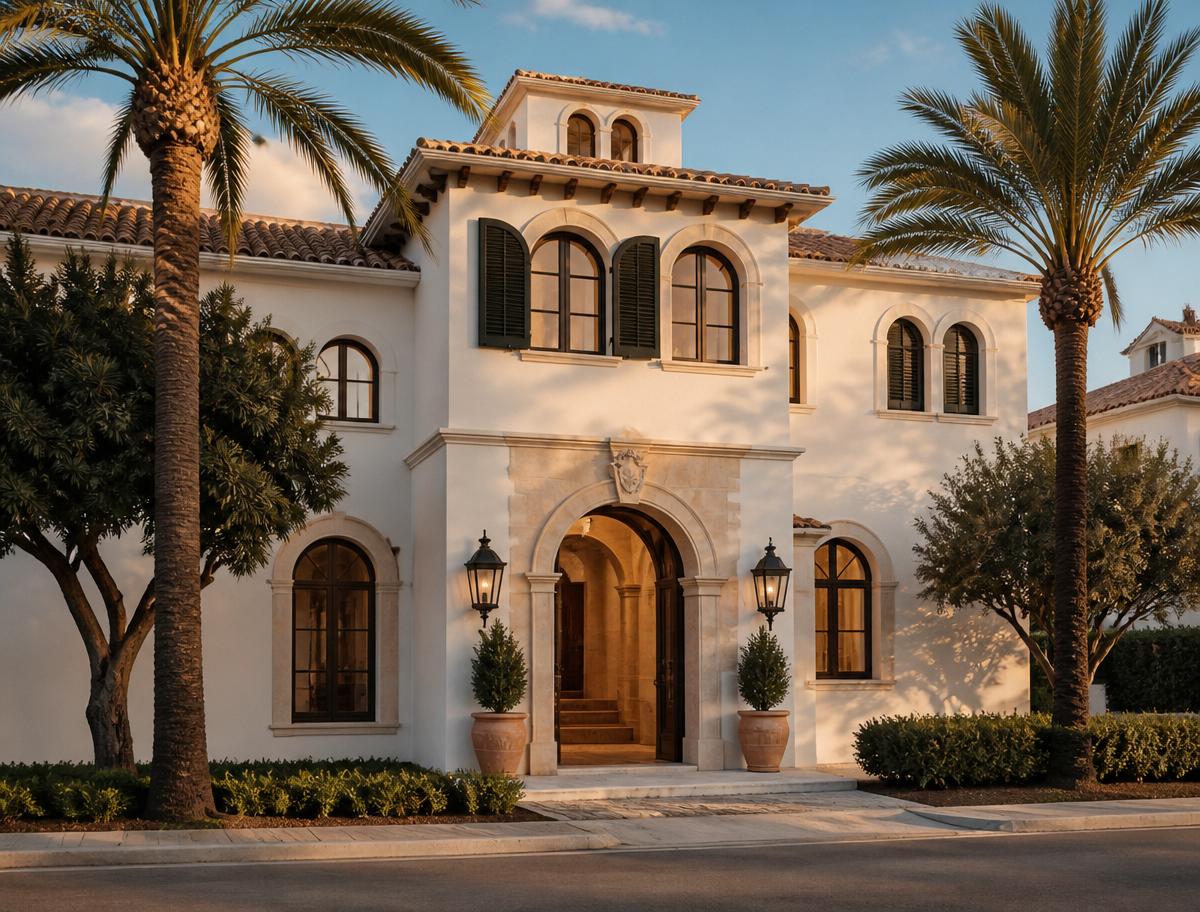
€4.5m developer loan, Santa Creu (Mallorca)
€4.5m · 43% LTV · 36 days to funding
A developer needed structured financing to continue the development of a residential building in a strategic location in Palma, with construction already significantly progressed and commercialisation to follow on completion.
Following a comprehensive transaction analysis covering construction progress and the asset's market value, our specialist partners structured a tailored developer loan aimed at driving project execution and its subsequent commercialisation.
- €4.5m facility at 43% LTV against a €10.5m asset value.
- First-charge security over a 6-unit residential building in Palma.
- Funding delivered within 36 days from initial approach.
- Exit underwritten via unit sales on scheme completion.
Frequently asked
Questions from readers
Can bridging be used for pure land purchases in Spain?
Yes. Specialist lenders will fund raw land acquisitions up to 60–65% of open-market value, particularly where there is a clear planning route and an experienced sponsor.
How quickly can a developer bridge complete?
Well-prepared transactions can complete in 4–8 weeks from heads of terms. Speed depends on the availability of valuation, legal due diligence and clean SPV structuring.
Do bridge lenders require personal guarantees?
Most lenders require some form of sponsor recourse — typically a personal guarantee capped at a percentage of the facility, or a corporate guarantee from a parent entity.
What exits do bridge lenders accept?
The most common exits are refinance onto a senior development facility, sale of the land post-planning, or unit sales from a completed scheme.
Can bridging fund enabling works before full planning?
Yes — provided the works are permitted under existing consents (for example, demolition or site clearance) and the sponsor can evidence a credible planning timeline.