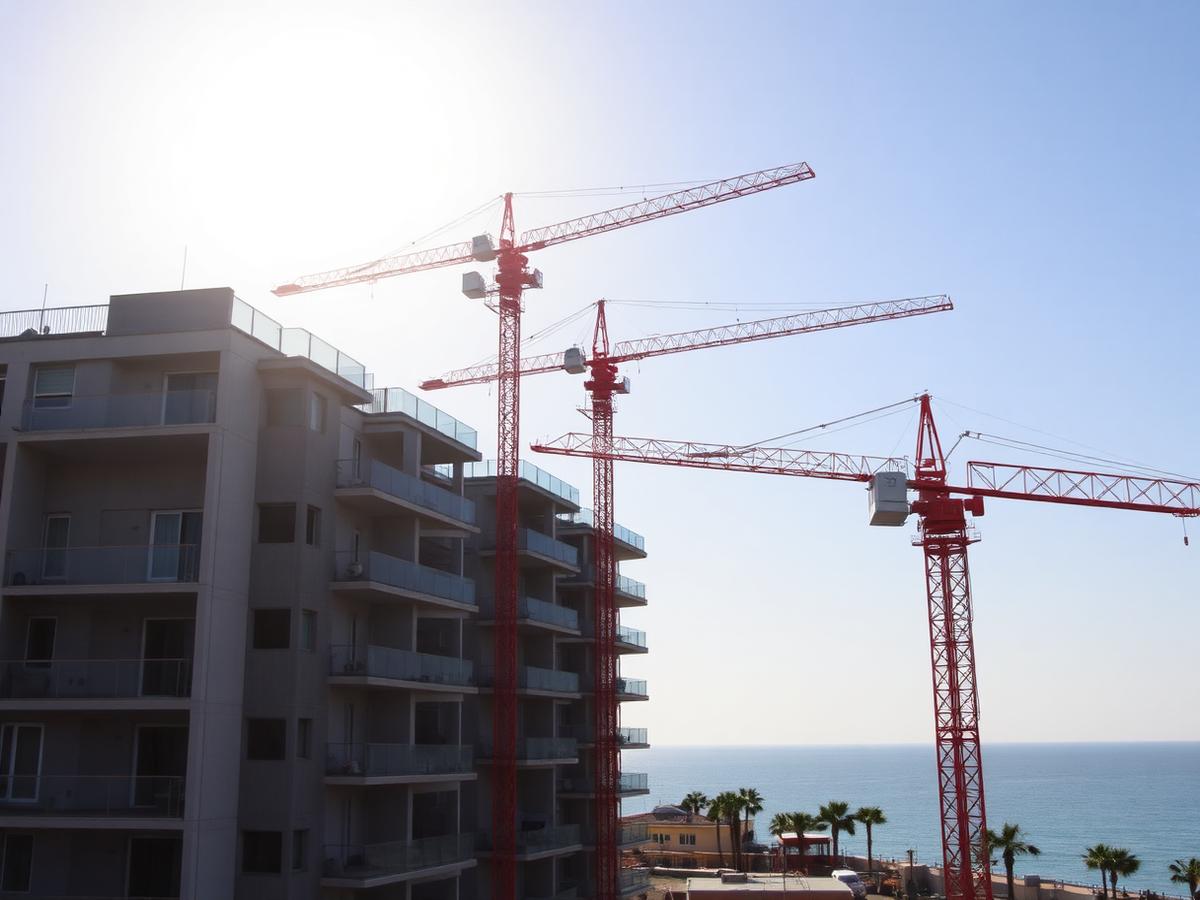
How do lenders assess a Spanish development scheme?
Spanish development lenders apply a five-part test: sponsor track record, site and licence status, scheme design and saleability, the cost stack and contingency, and the exit. Debt is then sized against the tighter of loan-to-cost and loan-to-gross-development-value limits.
- A full building licence is normally needed before construction drawdowns.
- Independent cost and valuation reports underpin every decision.
- Contingency of at least 5–10% of build cost is expected.
- Sponsor equity and prior delivery evidence drive pricing.
Key takeaways
- Lenders weight sponsor track record heavily — a documented CV of comparable delivered schemes is non-negotiable.
- Site diligence covers title, planning, licences and any environmental or coastal-law overlays (Ley de Costas).
- The cost stack must be evidenced by a fixed-price contract or QS-verified build budget.
- GDV is set by an independent valuer, not the developer's agent — plan for a conservative print.
- Exit strategy needs to be pluralistic — pre-sales plus exit refinance plus block-sale optionality.
1. The sponsor
Spanish lenders — bank and non-bank — start with the sponsor. Every scheme is a bet that this team can deliver on time and to budget. Prepare:
- CV of principals with 3–5 comparable delivered schemes (size, location, GDV, outcome).
- Proof of liquidity behind the sponsor — bank statements, portfolio statements, or letters of comfort.
- Shareholder structure of the borrowing SPV, including UBOs.
- Any planning refusals, distressed exits or restructures in the sponsor's history — disclosed proactively.
2. The site
Site diligence is heavier in Spain than in many other markets because of overlapping planning, coastal and heritage regimes.
- Title (Nota Simple): current, unencumbered, with no charges or embargoes.
- Planning classification: the municipal general plan (PGOU) status of the plot — urbano, urbanizable or rústico.
- Building licence (Licencia de Obras): issued, or a clear timeline and risk assessment.
- Ley de Costas: coastal set-back distance and any easement or restriction on the plot.
- Environmental: Phase 1 environmental report on brownfield, industrial-to-residential or contaminated sites.
- Utilities: confirmed connections and capacity for water, sewerage and electricity.
3. The scheme
The lender needs to believe the product will sell. Package:
- Full planning-approved drawings and specification.
- Unit mix (bedrooms, sizes in m², parking, terraces).
- Comparable evidence for pricing per m² in the target micro-location.
- Any pre-sales or reservations in place, with deposit terms.
- Marketing plan, agency mandate, and any international distribution.
4. The cost stack
- Land — purchase price supported by valuation or arms-length purchase contract.
- Build cost — fixed-price main contract from a credible contractor, or QS-signed budget.
- Professional fees — architect, PM, QS, legal, marketing.
- Contingency — 5%–10% on new-build, 10%–15% on rehabilitation.
- Finance costs — interest, arrangement fee, exit fee, monitoring surveyor.
- Licences, connections, IVA on build (usually 10% on residential, 21% on commercial).
The lender will instruct a monitoring surveyor to verify the budget pre-drawdown and sign off each drawdown thereafter against certified value in the ground.
5. The exit
A single exit is a red flag. Present a plural exit strategy: pre-sales plus retail sales at completion, plus a credible exit-refinance option, plus a block-sale-to-institutional fallback. The best files include a term sheet from an exit lender ready to run in parallel with the development facility.
The process — what to expect
- Weeks 1–2: heads of terms, initial credit read, valuation instructed.
- Weeks 3–5: valuation and QS reports issued, legal DD begins.
- Weeks 6–8: credit committee, formal offer, conditions to drawdown.
- Weeks 9–12: conditions cleared, notary, drawdown.
- Post-drawdown: monthly certification and drawdown against QS-approved works.
Frequently asked
Questions from readers
How much of a track record do I need?
For senior debt, most lenders want to see 3+ comparable delivered schemes. First-time developers can still access development finance but typically need a strong JV partner, a fixed-price contract, and lower gearing (60%–65% LTC vs 70%–75%).
Do Spanish lenders require a Spanish contractor?
No, but the contractor needs to be established, solvent, and able to provide performance guarantees. International contractors are accepted on larger schemes provided they have a Spanish subsidiary or a local site team.
How long does it take to get a development facility in place?
Realistically 10–14 weeks from heads of terms to drawdown on a well-prepared, well-documented scheme. Poorly packaged files run to 20+ weeks, or fail.
Does the lender need pre-sales before drawdown?
Not always — many senior lenders will fund without pre-sales. But pre-sales unlock materially better pricing and higher LTGDV. Typical benchmarks: 20%–30% pre-sold to achieve best terms.
Will lenders accept a rural or non-urban plot?
Only if the plot is fully consented (urbanizable con planeamiento aprobado) or urbano. Rústico land is generally uncommittable for senior development lenders and needs a specialist land-loan structure with planning risk.
How much equity do I need to commit personally?
The equity gap after senior debt — typically 25%–35% of total project cost. Lenders also want to see the sponsor's cash going in first before drawdowns begin (last money in, first money out is not accepted).