At a glance
Key facts
Figures reviewed:
- Most common refusal reason
- Registry vs reality mismatch
- Rustic land, no dwelling
- No mainstream panel
- Bridging LTV on refused assets
- Up to c.50 – 60%
- Bridging timeline
- c.2 – 4 weeks
- Typical regularisation time
- 3 – 12 months
- Term mortgage after regularisation
- Usually available
Indicative figures for guidance only, correct as at August 2026. Rates, costs and timelines vary by lender, borrower profile, asset and jurisdiction, and are not an offer of finance. How we derive these figures.
Methodology and assumptions
- Figures are compiled by Clifton International specialists from live lender term sheets, indicative quotes and completed transactions arranged over the preceding 12 months.
- Rates and costs are stated as ranges rather than a single number because pricing is set case-by-case on borrower profile, residency, asset type, location and loan-to-value.
- Timelines assume a complete document file from the outset; valuation, legal capacity and (in Spain) NIE and notary availability drive the critical path.
- Costs exclude any lender, broker or third-party fees not stated on the page, and exclude currency movement between agreement and drawdown.
- Figures are reviewed at least quarterly and re-checked against lender pricing whenever a material market change occurs.
Last reviewed . Read the full Key facts methodology, or speak to our team for a quote based on your circumstances.
Which property types will Spanish banks not lend on?
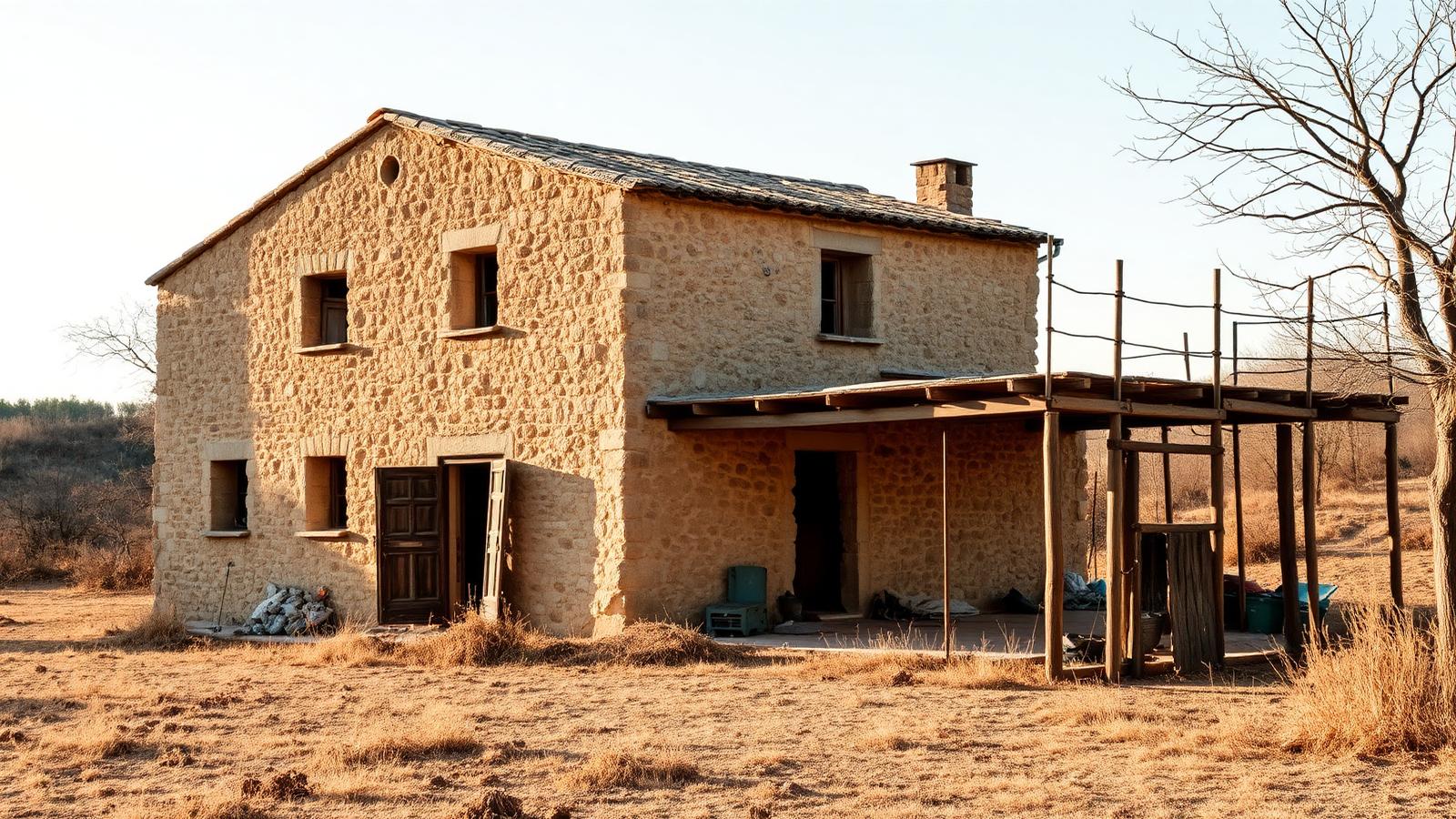
Spanish banks generally decline rustic land with no registered dwelling, properties with unregistered or illegal building works, homes without a licence of first occupation, cave and unconventional constructions, properties with an outstanding embargo or unresolved inheritance, and most short-lease or heavily distressed assets. Where the property is refused, the usual route to completion is bridging secured on the asset, refinanced onto a term mortgage after the legal position is regularised.
- A mismatch between the nota simple and what is physically on site is the single most common cause of refusal.
- No licence of first occupation means no habitability certificate, and most lenders stop there.
- Rustic and protected land is a planning problem, not a pricing problem — a higher rate will not fix it.
- Refusal on the asset is not refusal on you: the same borrower is usually funded on a compliant property.
Key takeaways
- Banks lend against the registered legal position, not the property you walked around.
- Rustic land, unregistered builds and illegal extensions are the three most common outright refusals.
- Some assets are not permanently unmortgageable — they are unmortgageable until regularised.
- Where the asset fails but the deal is sound, bridging secured on the Spanish or a UK asset completes the purchase.
- The refinance onto a term mortgage happens once the legal position and licences are corrected.
The assets Spanish banks refuse — and what works instead
Indicative panel view. A property in the left column will normally be declined for a term mortgage, but that is rarely the end of the transaction.
| Property type | Why the bank refuses | Fixable? | Route that still completes |
|---|---|---|---|
| Rustic land with no registered dwelling | No habitable security to value or repossess | No | Cash, bridging, or land plus development finance |
| Unregistered build or illegal extension | Lender can only value what is legally registered | Often, via declaración de obra nueva | Bridge, regularise, refinance |
| No licence of first occupation | Property is not certified habitable | Usually, through the town hall | Bridge to completion, then term mortgage |
| Cave houses and unconventional builds | No comparable evidence for the valuation | No | Cash or private lending |
| Property with embargo or charge registered | Clean title cannot be delivered at notary | Yes, once discharged | Bridge to clear the charge, then refinance |
| Unresolved inheritance / probate title | Sellers cannot convey good title | Yes, on completion of probate | Short-term finance held until title clears |
| Wooden or prefabricated dwellings | Non-standard construction outside criteria | No | Private lender or cash |
| Tourist-licence-dependent income asset | Income cannot be relied on if the licence lapses | Partly | Lower-LTV specialist or holiday-let route |
| Hotel, hostel and pure commercial units | Assessed as commercial debt, not a home loan | N/A | Commercial term debt or bridging |
| Buildings needing structural works to habit | Not habitable at drawdown | Yes, after works | Refurbishment bridge, then refinance |
Swipe the table sideways to see all columns.
Indicative only. Appetite varies by lender, region and borrower profile and is not an offer of finance.
The registry, not the property, is the security
A Spanish lender takes its charge over what appears at the Land Registry. If the nota simple records a 90 m² dwelling and the property has a 40 m² extension, a pool and a converted garage, the bank values the 90 m² only — and may decline outright because the unregistered work carries enforcement risk.
Before offering, obtain the nota simple, the cadastral certificate and a planning certificate from the town hall, and compare them against the floor plan. Almost every asset-side refusal we see could have been predicted from those three documents.
Habitability, first occupation and tourist licences
The licence of first occupation (or its regional equivalent, the cédula de habitabilidad) certifies the property is legally fit to live in. Without it the utilities may be connected on a provisional basis and the valuer cannot confirm habitability, which is where the mortgage stops.
A tourist licence is a different question. It does not prevent lending, but income that depends on it is usually discounted or ignored in affordability, and a handful of lenders reduce the advance where the property is bought explicitly to let.
Unmortgageable today is not unmortgageable forever
Several of the refusals above are timing problems. An unregistered extension can often be regularised through a declaration of new works once the statutory enforcement period has passed. A missing first-occupation licence can be applied for. An embargo can be discharged at completion out of the sale proceeds.
The practical difficulty is that regularisation takes months and the seller will not wait. That gap — a good asset, a good borrower, and a legal position that is not yet bankable — is exactly what short-term finance exists to bridge.
How the bridging route works
Short-term lenders underwrite the exit, not the mortgage rulebook. Where a Spanish bank declines on registry or licence grounds, a bridge secured on the Spanish property — or on UK or other property you already own — funds the purchase in a matter of weeks. Interest is usually rolled or retained so there is no monthly payment during the term.
Once the extension is registered, the licence issued or the charge cleared, the asset becomes ordinary mortgage security and the bridge is refinanced onto a Spanish term loan or repaid from sale. Plan the exit before drawdown, not after.
Next best step for each refused property type
Next best step for each refused property type
Find the row that matches your refusal, then follow the finance route that normally completes it and the guide that explains the fix in detail.
Indicative routing only. The right structure depends on the asset, the exit and your wider position.
Frequently asked
Questions from readers
Which property types will Spanish banks not lend on?
Mainstream Spanish banks generally refuse rustic land without a registered dwelling, properties with unregistered or illegal building works, homes with no licence of first occupation, cave houses and other non-standard construction, properties carrying an embargo or unresolved inheritance, and assets that are not habitable at drawdown.
Why does an unregistered extension stop a Spanish mortgage?
The bank's charge attaches to what is entered at the Land Registry, so it can only value the registered dwelling. An unregistered extension also carries planning enforcement risk, which can reduce the value of the security, so many lenders decline rather than lend at a reduced figure.
Can an unmortgageable Spanish property be made mortgageable?
Often yes. Unregistered works can frequently be regularised through a declaration of new works once the enforcement period has passed, a missing licence of first occupation can be applied for at the town hall, and charges or embargoes can be discharged. Rustic classification and non-standard construction are usually permanent obstacles.
How do buyers complete when the bank refuses the property?
Most complete on short-term bridging secured on the Spanish asset, on property they already own elsewhere, or across both, drawn in around two to four weeks. The bridge is then repaid by refinancing onto a Spanish term mortgage once the legal position is corrected, or from sale.
Does a tourist licence make a property unmortgageable?
No. A tourist licence does not block lending, but rental income that depends on it is usually discounted or excluded from affordability, and some lenders apply a lower maximum loan-to-value where the property is acquired principally for short-term letting.
Was I declined because of the property or because of me?
If the decline came after the valuation or the legal review rather than at credit stage, it is almost always the asset. The same borrower is normally funded on a compliant property, which is why it is worth asking the lender which stage the file failed at before reapplying.