Can an expat get a UK mortgage as a first-time buyer?
Yes, but choice is narrower. Many expat lenders prefer applicants who already own property, and those that accept first-time buyers commonly ask for a 20–25% deposit or more. Non-UK residents can usually still claim first-time buyer Stamp Duty relief if they have never owned a home anywhere, but pay the 2% non-resident surcharge on top.
- Plan for at least a 20–25% deposit; some lenders require more for first-time buyers.
- First-time buyer relief requires never having owned a home in the UK or anywhere else.
- The 2% non-resident SDLT surcharge applies even when relief is claimed.
- Foreign income is converted to sterling and may be reduced by a currency haircut.
Key figures
UK expat mortgage rates this month
Rates checked October 2026 across 6 UK lenders that accept expat applicants. Based on a £300,000 loan, capital and interest.
- Residential 2-year fixed, 75% LTV
- from 5.64%*
- typical 5.66%
- Residential 5-year fixed, 75% LTV
- from 5.63%*
- typical 5.75%
- Buy-to-let 2-year fixed, 75% LTV
- from 5.69%*
- typical 5.72%
- Buy-to-let 5-year fixed, 75% LTV
- from 5.54%*
- typical 5.74%
Expat rate questions
What are UK expat mortgage rates this month?
As at October 2026, 2-year fixed residential expat rates on our panel start from 5.54% at 60% LTV and 5.64% at 80% LTV, based on a £300,000 loan, capital and interest. Product fees may apply.
What is a typical expat buy-to-let rate?
For a 5-year fixed expat buy-to-let at 75% LTV, rates start from 5.54% with a typical rate of 5.74% across 5 lenders (October 2026).
Can expats get an interest-only mortgage?
Yes. Interest-only residential 2-year fixes at 75% LTV start from 5.85% as at October 2026. You will need a credible plan to repay the balance at the end of the term.
*Product fees may apply. Indicative initial rates only; after the fixed term the rate reverts to the lender's variable rate. Source: published lender rate sheets for intermediaries, approved by Clifton International (October 2026). Not an offer of finance; your home may be repossessed if you do not keep up repayments on your mortgage.
Key takeaways
- Deposit, not rate, is usually the main hurdle for an expat first purchase.
- Owning property abroad — even jointly or inherited — can remove first-time buyer relief.
- Budget for the 2% non-resident surcharge on the whole price.
- Rates shown update only when Clifton approves a new monthly snapshot.
Expat first-time buyer vs existing homeowner
Typical differences — every lender sets its own criteria.
| Expat first-time buyer | Expat with property history | |
|---|---|---|
| Lender appetite | Narrower; some lenders exclude first-time buyers | Wider panel of expat ranges |
| Typical deposit | Often 20–25%+ | Often from 20–25%, sometimes 15% |
| Buy-to-let as first purchase | Restricted; many lenders decline | More widely accepted |
| SDLT relief (England & NI) | Available if never owned anywhere | Not available |
| Non-resident 2% surcharge | Applies if non-resident | Applies if non-resident |
Swipe the table sideways to see all columns.
Stamp Duty in Scotland (LBTT) and Wales (LTT) follows different rules.
How much deposit does an expat first-time buyer need?
Most expat lenders cap borrowing at 75–80% loan-to-value, so a 20–25% deposit is a realistic minimum; some apply a lower maximum LTV specifically to first-time buyers or to certain countries and currencies. The deposit must come from an evidenced source — savings, bonuses, a property sale or a documented gift — and lenders will trace it through statements.
Our UK expat finance guide explains deposit and source-of-funds rules in detail, and each country page links to a documents checklist for your country.
Stamp Duty for expat first-time buyers
In England and Northern Ireland, first-time buyer relief from 1 April 2025 means no SDLT on the first £300,000 and 5% on the portion from £300,001 to £500,000; relief is not available if the price is above £500,000. To qualify, every buyer must never have owned a residential property in the UK or anywhere in the world, and must intend to live in the home as their main residence.
If you are non-UK resident for SDLT purposes, a 2% surcharge applies to the whole price on top of the rates you pay. See GOV.UK SDLT rates, HMRC first-time buyer relief guidance and our expat Stamp Duty surcharge guide, including how a refund may be claimed if you later become UK resident.
Affordability on foreign income
Lenders convert overseas salary to sterling and may reduce it by a currency haircut, often around 10–25% depending on the currency and lender. Some accept only major currencies. Bonuses, allowances and equity awards are usually averaged or discounted, and self-employed income needs accounts and tax returns from your country.
Read how UK lenders assess foreign income for worked detail on haircuts and accepted currencies.
Which lenders accept expat first-time buyers?
International banks' expat ranges, some building societies and private banks will consider first-time buyers, but criteria vary: some require prior UK property ownership, a minimum income, residence in an accepted country or a UK connection such as British nationality. Buy-to-let as a first purchase is especially restricted, as many lenders require landlords to already own a home.
Our comparison of expat lender types sets out currency appetite by lender type.
Worked example: a first UK purchase from Qatar
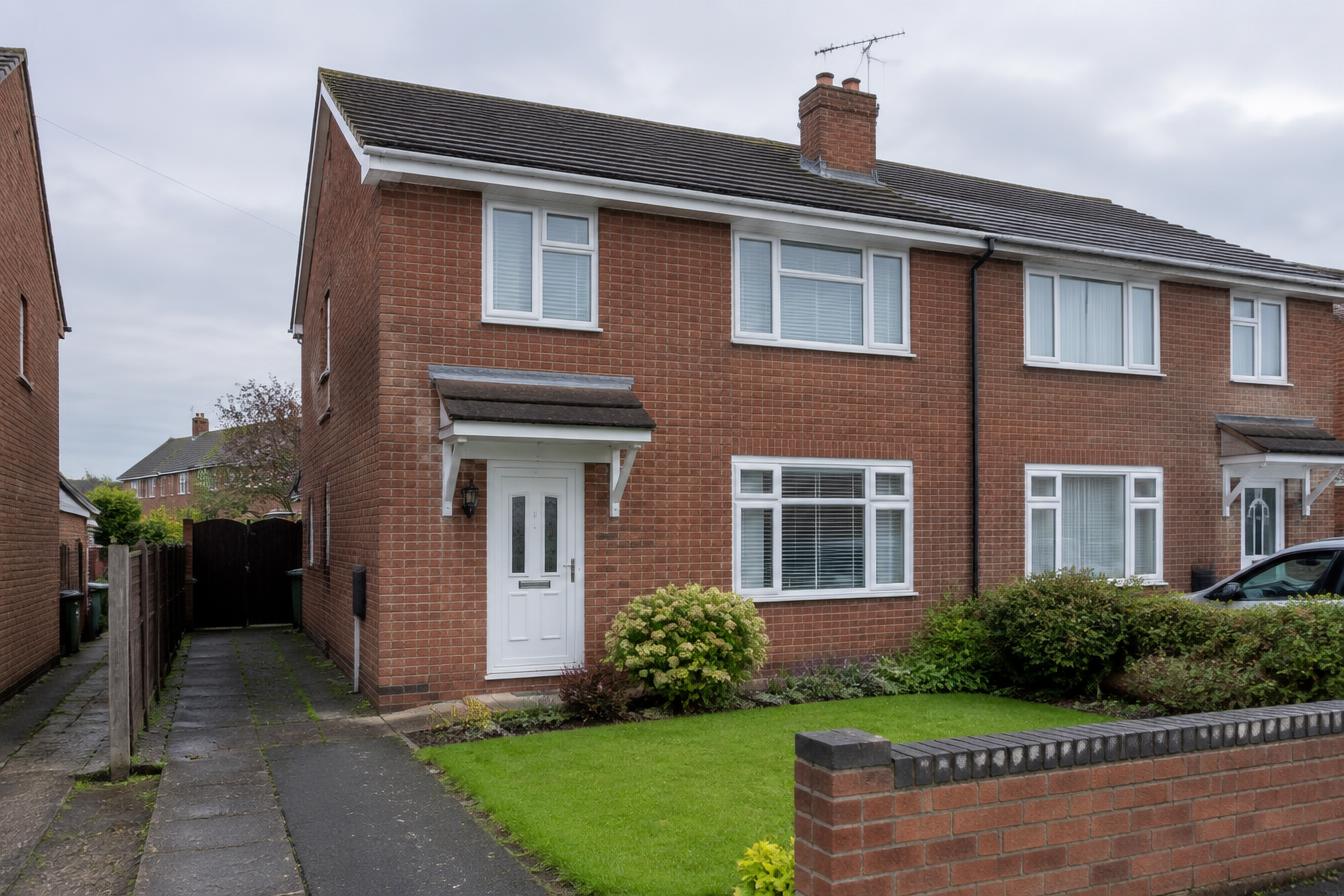
Qatar · Birmingham · Illustrative example
British teachers in Doha buy their first UK home
The challenge: A British couple teaching in Doha had never owned property anywhere. As overseas-resident first-time buyers they faced a narrower lender panel, QAR income needing sterling conversion and a deposit that had to be fully evidenced from savings in Qatar.
The approach: A specialist expat mortgage team would match them with lenders accepting first-time buyers in Qatar, present their riyal income correctly, evidence the £72,500 deposit and plan Stamp Duty around first-time buyer relief plus the 2% non-resident surcharge.
The numbers: £290,000 Birmingham semi, 25% deposit (£72,500), illustrative £217,500 mortgage at 75% LTV.
Read the full worked exampleAn illustrative worked example, not a completed transaction or a promise of terms. Clifton International is an introducer, not a lender or mortgage adviser.
Compare approved expat purchase rates
The tool uses the same approved monthly snapshot as every expat page. Results are indicative initial rates for the panel, not confirmation that a lender accepts first-time buyers in your circumstances.
Indicative expat mortgage rates
Market-leading fixed rates from our expat lender panel, reviewed October 2026. Choose your property type, fixed period, loan-to-value and loan size.
Residential · Capital & interest · 2-year fixed · up to 75% LTV
5.64% – 5.66%*
Lowest to typical rate available · property value approx. £666,667
After the 2-year initial product term ends, the rate reverts to the lender's variable rate unless you remortgage or switch to a new product.
Example monthly payment at the lowest rate: £3,112Capital and interest over 25 years.
*Product fees may apply. Indicative only, based on published rates for international borrowers; not a quote, offer or recommendation. Eligibility, income currency, residency and property type affect the rate available.Your home may be repossessed if you do not keep up repayments on your mortgage.
Send these details to a specialist — we'll confirm the best available rate within one working day.
Enquire with these detailsSources and safeguards
SDLT figures are from GOV.UK and apply to England and Northern Ireland; confirm your position with a solicitor or tax adviser. Rates are panel observations from public intermediary product sheets approved in Clifton's monthly rates panel; they are not offers. Clifton International is an introducer, not a lender or mortgage adviser. Your home may be repossessed if you do not keep up repayments on your mortgage.
Frequently asked
Questions from readers
Can I get a UK mortgage as a first-time buyer living abroad?
Yes, though fewer lenders accept it. Expect stricter criteria, often including a 20–25% or larger deposit, a minimum income and residence in a country the lender accepts.
Do expats get first-time buyer Stamp Duty relief?
Possibly. Relief depends on never having owned a home anywhere in the world and buying a main residence up to £500,000. Non-UK residents still pay the 2% non-resident surcharge on top.
How much deposit do I need as an expat first-time buyer?
Plan for at least 20–25%. Some lenders require more for first-time buyers or for certain currencies, and the deposit must have a fully evidenced source.
Can my first UK purchase be a buy-to-let?
It is difficult. Many buy-to-let lenders require applicants to already own a home. A small number of specialist lenders consider first-time landlords with larger deposits.
Does owning property abroad stop me being a first-time buyer?
For Stamp Duty relief, yes — owning or having owned a residential property anywhere, including jointly or by inheritance, usually removes eligibility. Lenders may also define first-time buyers differently.