Tokyo Station and Marunouchi skyline at dusk

Expat Mortgages

UK mortgages for expats in Japan.

Contributor and reviewer: James Caldwell

Get Your Finance Assessment

Two quick steps — a specialist will respond within one working day.

  • 40+ lendersWhole-of-market panel
  • 8–14 weeksTypical completion
  • No obligationFree initial review
£

An exact value lets us calculate your LTV straight away.

£

An exact figure lets us calculate LTV and indicative terms straight away.

Your figures

You're enquiring about a mortgage or remortgage for property in the United Kingdom, while living abroad.
Confidential — no obligation Rated 4.9 on Trustpilot

Last updated Reviewed by our Clifton International finance team.

In short

Can I get a UK mortgage with Japanese yen income?

Yes, with a lender that accepts Japan residence and JPY income. Reconcile current salary with your annual gensen chōshūhyō withholding certificate and confirm translation needs first. The lender decides how yen earnings are converted into GBP; no standard haircut or approval is assumed.

  • Income acceptance and currency adjustments depend on the selected lender.
  • Residential, buy-to-let and remortgage purposes are considered individually.
  • UK limited-company buy-to-let eligibility requires separate lender checks.
  • A UK credit history is helpful but not always required.
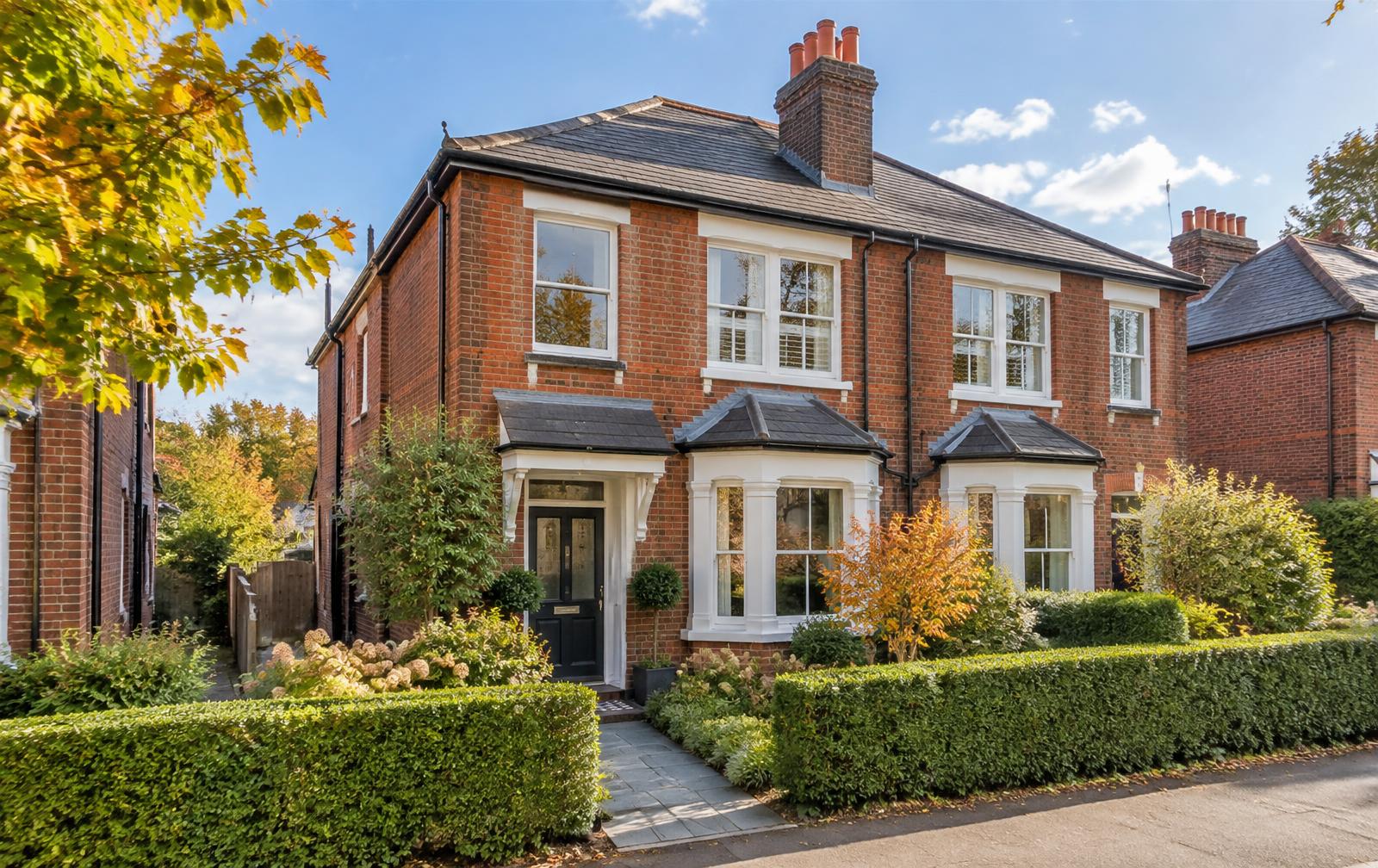
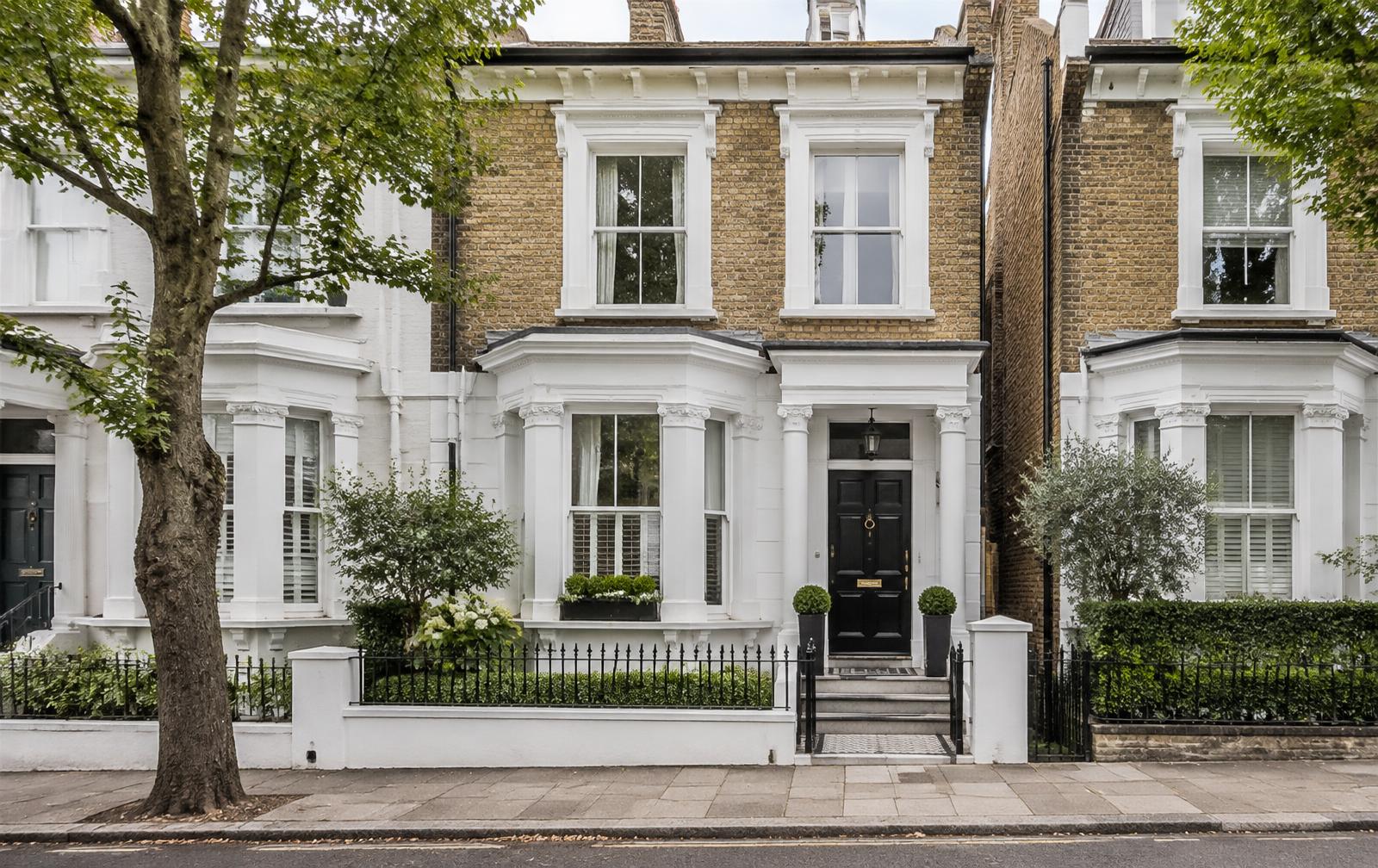
Illustrative Victorian terraced house on a London street — not the client's actual property

Case study · London

£410,000 buy-to-let remortgage for a UK expat in Japan earning in Japanese yen

Clifton Private Finance’s account reports £410,000 raised through a buy-to-let remortgage on a mortgage-free London rental valued at about £1.3 million, for a British national in Japan paid entirely in yen, to fund the deposit on a second UK property.

Reported capital raised
£410,000
Property value reported
About £1.3 million (mortgage-free)
Loan-to-value
About 32% (derived)

Source: Clifton Private Finance’s published account, adapted and attributed; not a Clifton International transaction. Reported £410,000 raised on a mortgage-free London buy-to-let valued at about £1.3 million (about 32% LTV, derived), JPY income. Lender, rate and fees are not published. The property photo is illustrative.

Read the full case study

Illustrative property image — not the client’s actual property.

Illustrative example — not an exchange-rate forecast

What happens to my UK mortgage payment if the yen weakens?

Your UK mortgage payment stays fixed in pounds, but the yen needed to cover it moves with the exchange rate. If the yen falls 10% against sterling, each GBP payment costs about 11.1% more in yen — not 10% — because you divide by a smaller yen value. A yen salary that is unchanged can therefore cover less of the payment.

Lenders decide how JPY income is converted and whether any adjustment applies. Plan a buffer for currency movements and transfer costs; this example uses percentages only and is not a quote.

At a glance

Key facts

Figures reviewed:

Indicative deposit
25% – 40%Planning range, not a guaranteed requirement. Budget separately for taxes and fees.
Income considered
JPY, GBP, USDAcceptance and any sterling conversion adjustment depend on the selected lender.
Purposes
Purchase, buy-to-let, remortgage
Indicative timescale
8–14 weeksFrom a complete application; valuation, legal work, translations and overseas checks can affect completion.
Mortgage pricing
See the approved monthly rates belowDated indicative products, not a Japan-specific offer or an individual quote.
Fees and purchase costs
Confirm for your transactionBudget separately for product fees, valuation, legal costs, property taxes and currency transfers; no generic all-in percentage applies.

Indicative figures for guidance only, correct as at November 2026. Rates, costs and timelines vary by lender, borrower profile, asset and jurisdiction, and are not an offer of finance. How we derive these figures.

Methodology and assumptions

  • Deposit and completion figures are approved indicative preparation assumptions, not official statistics, guaranteed eligibility or live lender offers.
  • Mortgage pricing comes only from the published, approved monthly snapshot below, with its own reference and approval dates; it is not a whole-market comparison or confirmation that each product accepts a Japan-based applicant.
  • National Tax Agency, Bank of Japan and Japanese credit-bureau sources support document and currency context, not sterling affordability or lender acceptance. HMRC guidance supports UK SDLT rules, not finance terms.
  • The London buy-to-let remortgage is an attributed Clifton Private Finance account, not a Clifton International transaction. The yen currency-risk example uses percentages only; it is not an exchange-rate forecast or quote. Editorial review dates are separate from financial approvals.

Last reviewed . Read the full Key facts methodology, or speak to our team for a quote based on your circumstances.

Key figures

UK expat mortgage rates this month

Rates checked 2 November 2026 across 6 UK lenders that accept expat applicants. Based on a £300,000 loan, capital and interest.

Residential 2-year fixed, 75% LTV
from 5.64%*
typical 5.66%
Residential 5-year fixed, 75% LTV
from 5.63%*
typical 5.75%
Buy-to-let 2-year fixed, 75% LTV
from 5.69%*
typical 5.72%
Buy-to-let 5-year fixed, 75% LTV
from 5.54%*
typical 5.74%

Expat rate questions

What are UK expat mortgage rates this month?

As at 2 November 2026, 2-year fixed residential expat rates on our panel start from 5.54% at 60% LTV and 5.64% at 80% LTV, based on a £300,000 loan, capital and interest. Product fees may apply.

What is a typical expat buy-to-let rate?

For a 5-year fixed expat buy-to-let at 75% LTV, rates start from 5.54% with a typical rate of 5.74% across 5 lenders (2 November 2026).

Can expats get an interest-only mortgage?

Yes. Interest-only residential 2-year fixes at 75% LTV start from 5.85% as at 2 November 2026. You will need a credible plan to repay the balance at the end of the term.

*Product fees may apply. Indicative initial rates only; after the fixed term the rate reverts to the lender's variable rate. Source: published lender rate sheets for intermediaries, approved by Clifton International (2 November 2026). Not an offer of finance; your home may be repossessed if you do not keep up repayments on your mortgage.

Worked example

£300,000 expat mortgage on a £400,000 UK property

Example based on lender rates approved 2 November 2026. 75% LTV, £100,000 deposit, capital and interest over 25 years.

Monthly repayment on a £300,000 expat mortgage at approved rates
ProductLowest rate*Monthly repayment
Residential 2-year fixed5.64%£1,867
Residential 5-year fixed5.63%£1,866
Buy-to-let 2-year fixed5.69%£1,876
Buy-to-let 5-year fixed5.54%£1,849

As a buy-to-let on a 5-year fix, the rent needed would be approx. £1,731 per month — speak to our team to confirm.

*Product fees may apply. Indicative only, not a quote or offer. The rate reverts to the lender's variable rate after the initial fixed period. Your home may be repossessed if you do not keep up repayments on your mortgage.

Indicative expat mortgage rates

Market-leading fixed rates from our expat lender panel. The panel rate sheets were last checked and approved 2 November 2026; this article's content-review date is separate and shown with the reviewer credit. Choose your property type, fixed period, loan-to-value and loan size.

Property type
Fixed period
Repayment type
Loan-to-value

Residential · Capital & interest · 2-year fixed · up to 75% LTV

5.64% – 5.66%*

Lowest to typical rate available · 4 panel lenders qualify · property value approx. £666,667

After the 2-year initial product term ends, the rate reverts to the lender's variable rate unless you remortgage or switch to a new product.

Example monthly payment at the lowest rate: £3,112Capital and interest over 25 years.

How this rate comparison works

In short: for each combination you choose, we take the cheapest product from every panel lender that covers your loan size and loan-to-value. The lowest figure is the cheapest of those; the typical figure is the median across the qualifying lenders, so it reflects the middle of the panel rather than its best headline rate.

This comparison is supported by 4 qualifying panel lenders out of the 6 lenders on our expat panel.

Lender names are deliberately withheld: the underlying rate sheets are published for intermediaries, and named products are confirmed with you in a private recommendation, not in a public comparison. The date above is the rate-approval date — when the panel rate sheets were last checked and approved — and governs the figures only; this article's content-review date is checked separately and shown with the reviewer credit.

*Product fees may apply. Indicative only, based on published rates for international borrowers; not a quote, offer or recommendation. Eligibility, income currency, residency and property type affect the rate available.Your home may be repossessed if you do not keep up repayments on your mortgage.

Earning in euros? See UK mortgages with euro income — for eurozone expats and UK residents paid in EUR. Paid in dollars? See UK mortgages with US dollar income.

Send these details to a specialist — we'll confirm the best available rate within one working day.

Enquire with these details

Why clients choose us

Benefits at a glance

JPY income considered

Lenders that accept Japanese yen income, with any currency adjustment explained before you apply.

Options with limited UK credit history

Some lenders consider verified income and banking history in Japan where a UK credit file is thin. Availability depends on individual credit checks and lender criteria.

Buy-to-let from Japan

Personal-name and UK limited-company options for overseas landlords.

Documents made clearer

Guidance on gensen choshuhyo withholding slips, residency evidence, source of funds and certification.

Borrower eligibility

Who we can help

  • British expatriates living and working in Japan
  • Residents of Japan buying UK property
  • Japan-based landlords buying or remortgaging UK buy-to-let
  • Buyers purchasing through a UK limited company

Typical lending criteria

Indicative parameters

Indicative deposit
25% – 40%
Accepted income
JPY, GBP, USD
Purposes
Purchase, BTL, remortgage
Indicative timescale
8–14 weeksTime-critical purchase? Expat bridging can complete in around 3 – 5 weeks — see expat bridging finance.

Indicative only. Actual terms depend on borrower profile, asset and lender criteria.

Applying from Japan

Japanese withholding records and current salary tell different stories

Japan's National Tax Agency provides employer withholding-tax guidance and forms, including the annual salary withholding certificate known as the gensen chōshūhyō. That annual record and a current JPY payslip may cover different periods, particularly after a job change or bonus payment. For a UK mortgage, explain those differences and keep original Japanese records beside any English translation requested by the lender. Use consistent name spelling across the passport, residence evidence and translations. The lender must confirm how it assesses yen income; this page does not assume a standard percentage currency adjustment or that every lender accepts JPY.

Japanese credit evidence may need translation

The Japanese Bankers Association describes Japan's credit-information bureaux, including CIC, JICC and its own Personal Credit Information Center. These are separate services, not a single UK-style file. CIC explicitly states that it does not provide English disclosure reports. A Tokyo applicant should therefore confirm which report the UK lender needs and its translation requirements before ordering documents. Check that names and account details match the employment and bank records; a translated report does not by itself establish mortgage eligibility or replace disclosure of current Japanese commitments.

JPY salary: use assessed income, not a transfer quote

The Bank of Japan publishes foreign-exchange market information, but a yen-to-sterling transfer quote is not the income figure a UK lender will necessarily accept. Ask how JPY earnings are converted and whether any currency haircut applies. For a researcher who changed employer, explain the mismatch between the annual withholding certificate and current salary, separating bonuses from recurring pay. Provide originals and translations requested by the lender, and show Japanese living costs and debt payments. Exchange-rate movements can change GBP repayment capacity even where the yen salary itself is unchanged.

Illustrative mini case — not a completed client transaction

Tokyo-based researcher buying in Oxford

A British researcher earning JPY wants a UK home and has changed employer since the last annual withholding certificate.

Assumed purchase price
£420,000
Assumed cash deposit
£168,000
Proposed mortgage
£252,000
Illustrative LTV
60%

The application would explain the job change with the current contract and payslips, reconcile them with the gensen chōshūhyō and confirm translation requirements. The adviser would establish a lender route for JPY income before treating the proposed loan as achievable.

Hypothetical amounts, not a quote or a statement of lender policy. Purchase taxes, legal costs, product fees and currency-transfer costs are excluded. Eligibility, affordability and source of funds require individual checks. Current indicative rates appear in the approved rates panel above.

Discuss a UK purchase from Japan

Documents checklist

What documents do Japan expats need for a UK mortgage?

UK lenders commonly request a passport, Japanese residence card (zairyu card), a juminhyo (certificate of residence) or utility bill, recent payslips and an employment contract, gensen choshuhyo withholding slips, three to six months of bank statements and a documented source of deposit. Exact requirements vary by lender.

Identity, residence and address

  • Valid passport and any second nationality documents relevant to the application.
  • Proof of residence status: Japanese residence card (zairyu card).
  • Proof of address in Japan: a juminhyo (certificate of residence) or utility bill.

Income — employed

  • Recent payslips, commonly the latest three months.
  • Employment contract or employer letter confirming role, salary, start date and any fixed allowances.
  • Tax evidence: gensen choshuhyo withholding slips.
  • Evidence and explanation of bonuses, commission, share awards or other variable pay.

Income — self-employed or company director

  • Usually two years of records: kakutei shinkoku tax returns and company registration (tokibo tohon).
  • Recent business bank statements and, where requested, an accountant's letter.

Banking, liabilities and credit

  • Three to six months of full personal bank statements showing salary credits.
  • Details of loans, credit cards and property owned in Japan, the UK or elsewhere.
  • Where the lender requests it: a CIC credit report.

Deposit and source of funds

  • Savings: statements showing the money accumulating over time.
  • Investment or property sale: contract notes or sale documents and the proceeds credit.
  • Gift: signed gift letter, donor identification and supporting bank statements.
  • JPY-to-GBP transfer: retain transfer and currency-conversion records.

Buy-to-let or UK limited company

  • A letting agent's expected-rent assessment and details of existing rental properties.
  • Company incorporation and ownership documents if buying through a UK limited company.

Certifying documents in Japan

UK lenders may ask for copies to be certified, for example by a Japanese notary (koshonin), with an apostille if requested. Japanese documents normally need certified English translation. Confirm the acceptable certifier, wording and validity period before paying for certification or an apostille.

Timing

Payslips, statements and address evidence can expire during an application, so gather them close to the application date. A complete overseas case commonly takes around eight to fourteen weeks (indicative only).

Who this page is for

  • UK expats living in Japan — British nationals earning in JPY who want to buy, remortgage or let UK property.
  • Residents of Japan — buying a UK home or investment property from Japan.
See the Japan documents checklist

Common questions covered in our UK expat finance FAQs — currency conversion, deposit rules and residency.

Already living in the UK? See our UK mortgages page.

Start an enquiry

Opens our enquiry form already filled in for a Japan-based applicant — just add your details.

Enquire about a UK mortgage from Japan

Clifton International introduces you to lenders and brokers; it is not a lender and does not handle client funds.

Buying from overseas

Use bridging finance to secure the property, then exit onto an expat mortgage.

If a UK property cannot wait for a standard expat mortgage timescale, bridging finance may let an overseas buyer complete without making the purchase conditional on that mortgage. It can put you in a cash-buyer position for the transaction, although the purchase is still being funded by a secured loan.

1

Secure the property

A short-term bridge can fund the UK purchase before the longer expat mortgage process has completed, allowing you to proceed in a cash-buyer position.

2

Complete the expat mortgage

The longer-term application continues with the lender assessing overseas residency, foreign-currency income, documents and the property.

3

Repay the bridge

Once the expat mortgage completes, its proceeds repay the bridging loan and move the borrowing onto the intended longer-term arrangement.

Cotswold stone cottage with a glass extension in Painswick, the property in the case studyCase study

A real example

£500k Cotswolds bridge for a couple based overseas

A UK national and an Australian national working in Hong Kong used a regulated bridge at around 50% LTV to secure a Painswick cottage before their existing home was sold.

Read the case study

The expat mortgage must be assessed as a credible exit before entering the bridge. Bridging finance is short term and normally more expensive than a mortgage; approval, timing and the eventual mortgage terms are not guaranteed. Clifton International is an introducer, not a lender or adviser, and does not handle client funds.

Contributor

Portrait of James Caldwell

James Caldwell

Director

LinkedIn profile
  • Co-founder
  • 26+ years in business and finance
  • Property finance specialist

James co-founded Clifton and has spent more than a decade building a specialist property finance business covering residential mortgages, bridging, development finance and complex international cases.

Frequently asked

Questions from clients

Can I get a UK mortgage with Japanese yen income?

Yes, with a lender that accepts Japan residence and JPY income. Reconcile current salary with your annual gensen chōshūhyō withholding certificate and confirm translation needs first. The lender decides how yen earnings are converted into GBP; no standard haircut or approval is assumed.

Which Japanese salary and residence records may UK lenders need?

Prepare your passport, actual residence-status evidence such as a zairyu card where applicable, address evidence such as a juminhyō, payslips, contract, bank statements and gensen chōshūhyō withholding certificates. Self-employed applicants may need kakutei shinkoku returns and accounts. Explain job changes or bonuses that make annual records differ from current JPY pay.

Which Japanese credit bureau report should I supply?

Confirm the lender's choice first: CIC, JICC and the Japanese Bankers Association's Personal Credit Information Center are separate services. CIC does not provide English disclosure reports, so translation may be needed separately. A requested report supports borrowing checks but does not replace the UK assessment or disclosure of current commitments.

How is Japanese yen salary assessed for a GBP mortgage?

The lender must accept Japan residence and JPY income, then determine the sterling amount and any currency adjustment. Separate recurring pay and bonuses, reconcile bank credits and disclose Japanese costs and debts. Bank of Japan exchange information and transfer quotes are not promises of assessed income; no standard percentage haircut is assumed.

Do Japanese mortgage documents need certified English translations?

They may, depending on lender and document. Keep originals alongside accepted translations and consistent name spellings across records. A Japanese notary, or kōshōnin, may be an acceptable certifier; an apostille is additional authentication only if requested. Obtain the required format before ordering services.

What deposit do Japan-based buyers need?

As an indicative working assumption, overseas applicants often need a 25–40% deposit, and at the higher end for less widely accepted currencies. The exact amount depends on residency, income, property use and lender criteria.

Will the UK non-resident stamp duty surcharge apply?

It can apply in England and Northern Ireland if the residence test is not met, and higher additional-property rates may also apply. Your UK solicitor should confirm the position before exchange.

How does a UK buy-to-let mortgage work while living in Japan?

The mortgage is secured on UK property, not a home in Japan. The lender must accept your overseas residence and assess expected UK rent, property and tenancy, with any personal-income requirements checked separately. Residential mortgages instead require confirmation of intended occupancy and personal affordability. UK limited-company buy-to-let requires separate ownership, director and lender checks; personal-name rates shown here are not a company mortgage quote. Clifton International introduces applicants to lenders and brokers; it is not a lender.

Currency exchange

Earning overseas? Your deposit is exposed until it’s in sterling.

Expat buyers moving dollars, dirhams, riyals or euros into the UK can lose thousands to bank margins and rate moves. We introduce you to an FCA-authorised currency specialist who plans your transfer around exchange and completion.

  • Forward contracts to fix your sterling deposit before completion
  • Better-than-bank rates on large one-off and regular transfers
  • Flexible contact across time zones with a dedicated specialist

Clifton introduces clients to a specialist currency partner and does not hold, convert or transfer client funds.

UK expat finance

Ready to explore your options?

Speak to a UK property finance specialist.

A discreet, no-obligation conversation with a UK-based adviser who understands the full UK lending landscape — residential, bridging, development and commercial.