
Dubai Marina skyline and yachts at golden hour UK mortgages for expats living in Dubai

Expat Mortgages

UK mortgages for expats in Dubai.

In short: Dubai residents can be considered for UK property finance on verified overseas income; returning expats may qualify for UK resident mortgage rates instead.

Contributor and reviewer: James Caldwell

Published case · Dubai investor£2.2m London buy-to-let, about 55% LTVCredited to Clifton Private Finance; value approximate. Read the case summary ↓

Can expats living in Dubai get a UK mortgage?

Yes. British expats and other eligible foreign nationals living in Dubai can be considered for UK residential and buy-to-let mortgages on verified dirham (AED) income, without returning to the UK. The dirham is fixed to the US dollar at AED 3.6725 per USD, which may support more favourable income treatment than volatile currencies, depending on the lender. Eligible products can reach 80% loan-to-value, requiring a 20% deposit; 25% – 40% is a typical planning range. Purchases and remortgages normally take 8–14 weeks from a complete application, subject to valuation, legal work and lender criteria.

  • Dubai salary, contractual allowances and bonus income are assessed separately, not as one package.
  • The dirham is pegged to the US dollar, so AED income moves with sterling's dollar rate.
  • Residential and buy-to-let property use have different lender criteria.
  • Returning Dubai expats may qualify for UK resident rates for a home they will occupy.

Get Your Finance Assessment

Two quick steps — a specialist will respond within one working day.

  • 40+ lendersWhole-of-market panel
  • 8–14 weeksTypical completion
  • Rated ExcellentClient reviews
  • No obligationFree initial review
£

An exact value lets us calculate your LTV straight away.

£

An exact figure lets us calculate LTV and indicative terms straight away.

Your figures

You're enquiring about a mortgage or remortgage for property in the United Kingdom, while living abroad.
Confidential — no obligation Rated 4.9 on Trustpilot

Last updated Reviewed by our Clifton International finance team.

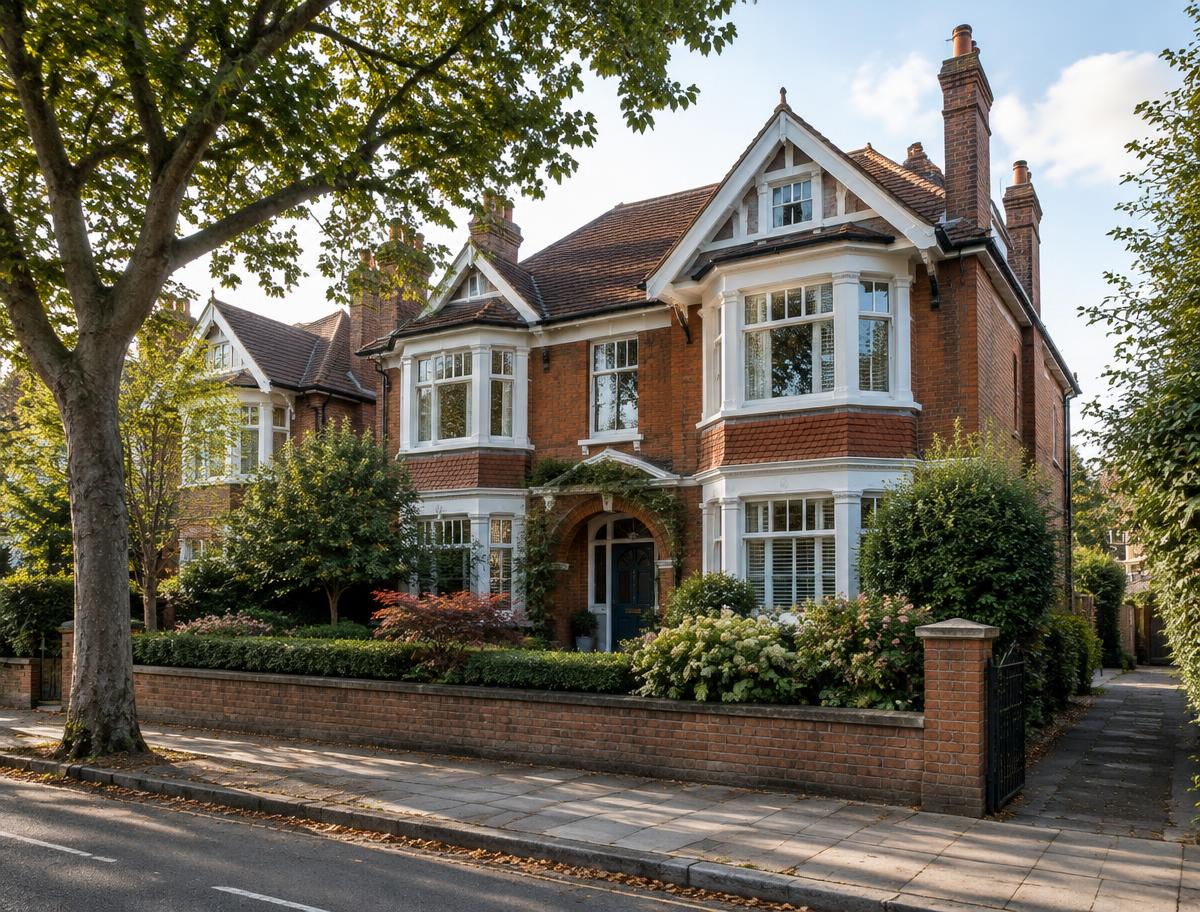
Illustrative red-brick Victorian townhouse in an affluent London district bought as a UK buy-to-let investment by a Dubai-based investor; not the client's actual property

London · Expat buy-to-let

£2.2m buy-to-let for a Dubai-based investor

A Dubai-resident investor secured a £2.2m buy-to-let mortgage on a prime London rental valued at approximately £4m — approximately 55% loan-to-value — structured interest-only so capital stayed free for other investments.

Source: Clifton International's supplied case-study account of an anonymised completed transaction for a Dubai-based investor acquiring UK buy-to-let property. Clifton International facilitates introductions to specialist property finance teams and was not the lender or mortgage adviser. Figures and outcomes are reported case facts, not independently audited market statistics.

Photo: illustrative London townhouse — not the client's actual property. The approximately £4m value is an assumption, not an independently verified valuation; the approximately 55% LTV is indicative. A reported outcome, not a promise of comparable terms.

Read the full case study

At a glance

Key facts

Figures reviewed:

Typical loan-to-value
Up to 80% (case dependent)
Typical deposit
25% – 40% planning range
Completion time
8–14 weeks from a complete application
Income currency
AED (pegged at 3.6725 per US dollar)
Non-resident stamp duty
2% surcharge in England and Northern Ireland if a buyer fails HMRC’s 183-day test; not Scotland or Wales

Indicative figures for guidance only, correct as at October 2026. Rates, costs and timelines vary by lender, borrower profile, asset and jurisdiction, and are not an offer of finance. How we derive these figures.

Methodology and assumptions

  • Loan size, deposit and completion figures are approved indicative preparation assumptions, not official statistics, guaranteed eligibility or live lender offers.
  • Mortgage pricing comes only from the published, approved monthly snapshot below, with its own reference and approval dates; it is not a whole-market comparison or confirmation that each product accepts a UAE-based applicant.
  • Central Bank of the UAE sources support the AED–USD peg, not sterling affordability or lender acceptance. HMRC guidance supports UK SDLT and landlord-tax rules, not finance terms.
  • The London buy-to-let case is a published Clifton Private Finance account with an approximate property value, not evidence of current rates or terms. Editorial review dates are separate from financial approvals.

Last reviewed . Read the full Key facts methodology, or speak to our team for a quote based on your circumstances.

Borrower eligibility

Who can qualify for a UK mortgage from Dubai?

In short: British expats and eligible foreign nationals living in Dubai can be considered for UK home purchases, buy-to-let and remortgages. Lenders assess residence, nationality, verified income, credit evidence and property use individually.

  • British expatriates resident in Dubai
  • DIFC and onshore Dubai employees buying UK property
  • Dubai business owners with trade licences and audited accounts
  • Dubai-based landlords building a UK buy-to-let portfolio
  • Buyers using a UK SPV, DIFC or offshore structure
  • Expats remortgaging or capital raising on existing UK property

Typical lending criteria

UK mortgages from Dubai: deposits, loan sizes and terms

In short: 25%–40% is a typical deposit planning range; eligible 80% LTV products need 20%. The broad introduction-service loan range below is not the same as the limits of each approved product in the rate comparison. Terms, currencies and interest-only options depend on lender checks.

Loan size
£150k – £25m+
Loan-to-value
Up to 80%Eligible products only; borrower, property and lender restrictions apply.
Typical deposit
25% – 40%Typical planning range; eligible 80% LTV products need 20%, plus separate funds for taxes and fees.
Term
Up to 30 years
Interest-only
Available
Accepted income
AED, USD, GBP, EUR
Typical timescale
8–14 weeks from a complete applicationTime-critical purchase? Bridging may be an option, with indicative completion around 3–5 weeks, subject to valuation, legal work, complete documents and lender approval; speed is not guaranteed. See Dubai expat bridging finance.

Indicative only. Actual terms depend on borrower profile, asset and lender criteria.

Key figures

UK expat mortgage rates this month

Rates checked 2 November 2026 across 6 UK lenders that accept expat applicants. Based on a £300,000 loan, capital and interest.

Residential 2-year fixed, 75% LTV
from 5.64%*
typical 5.66%
Residential 5-year fixed, 75% LTV
from 5.63%*
typical 5.75%
Buy-to-let 2-year fixed, 75% LTV
from 5.69%*
typical 5.72%
Buy-to-let 5-year fixed, 75% LTV
from 5.54%*
typical 5.74%

Expat rate questions

What are UK expat mortgage rates this month?

As at 2 November 2026, 2-year fixed residential expat rates on our panel start from 5.54% at 60% LTV and 5.64% at 80% LTV, based on a £300,000 loan, capital and interest. Product fees may apply.

What is a typical expat buy-to-let rate?

For a 5-year fixed expat buy-to-let at 75% LTV, rates start from 5.54% with a typical rate of 5.74% across 5 lenders (2 November 2026).

Can expats get an interest-only mortgage?

Yes. Interest-only residential 2-year fixes at 75% LTV start from 5.85% as at 2 November 2026. You will need a credible plan to repay the balance at the end of the term.

*Product fees may apply. Indicative initial rates only; after the fixed term the rate reverts to the lender's variable rate. Source: published lender rate sheets for intermediaries, approved by Clifton International (2 November 2026). Not an offer of finance; your home may be repossessed if you do not keep up repayments on your mortgage.

Indicative expat mortgage rates

Market-leading fixed rates from our expat lender panel. The panel rate sheets were last checked and approved 2 November 2026; this article's content-review date is separate and shown with the reviewer credit. Choose your property type, fixed period, loan-to-value and loan size.

Property type
Fixed period
Repayment type
Loan-to-value

Residential · Capital & interest · 2-year fixed · up to 75% LTV

5.64% – 5.66%*

Lowest to typical rate available · 4 panel lenders qualify · property value approx. £666,667

After the 2-year initial product term ends, the rate reverts to the lender's variable rate unless you remortgage or switch to a new product.

Example monthly payment at the lowest rate: £3,112Capital and interest over 25 years.

How this rate comparison works

In short: for each combination you choose, we take the cheapest product from every panel lender that covers your loan size and loan-to-value. The lowest figure is the cheapest of those; the typical figure is the median across the qualifying lenders, so it reflects the middle of the panel rather than its best headline rate.

This comparison is supported by 4 qualifying panel lenders out of the 6 lenders on our expat panel.

Lender names are deliberately withheld: the underlying rate sheets are published for intermediaries, and named products are confirmed with you in a private recommendation, not in a public comparison. The date above is the rate-approval date — when the panel rate sheets were last checked and approved — and governs the figures only; this article's content-review date is checked separately and shown with the reviewer credit.

*Product fees may apply. Indicative only, based on published rates for international borrowers; not a quote, offer or recommendation. Eligibility, income currency, residency and property type affect the rate available.Your home may be repossessed if you do not keep up repayments on your mortgage.

Earning in euros? See UK mortgages with euro income — for eurozone expats and UK residents paid in EUR. Paid in dollars? See UK mortgages with US dollar income.

Send these details to a specialist — we'll confirm the best available rate within one working day.

Enquire with these details

Which Dubai income types can UK mortgage lenders consider?

In short: separate basic salary, contractual allowances, variable pay and assets; a lender does not necessarily count your full Dubai package as recurring income.

Basic salary (AED)

Evidence usually requested
Employment contract, salary certificate or payslips and matching personal bank credits.
How it may be assessed
A core affordability input, converted to GBP with any lender-specific currency adjustment.

Housing allowance

Evidence usually requested
Contract or employer letter itemising the allowance, plus pay records.
How it may be assessed
May count where contractual and sustainable; benefits ending on return to the UK need separate treatment.

Transport and schooling allowances

Evidence usually requested
Employer confirmation of the terms, payment records and any reimbursement conditions.
How it may be assessed
Guaranteed cash allowances may count; reimbursements and benefits in kind may not.

Bonus and commission

Evidence usually requested
Historic award letters, payslips and bank credits over the period requested by the lender.
How it may be assessed
May be averaged or partly counted; a one-off bonus is not normally sustainable income.

Business-owner income

Evidence usually requested
Trade licence, company accounts, business bank statements and evidence of personal salary or dividends.
How it may be assessed
Trading history, ownership and sustainable profits require individual assessment; company turnover is not personal income.

End-of-service gratuity

Evidence usually requested
Employer entitlement statement and payment record if received.
How it may be assessed
Usually an asset, not recurring income. Deposit use needs evidence of payment and source of funds.

Lenders vary. Evidence, income acceptance, residency requirements and terms depend on the lender and your circumstances. This is general preparation guidance, not an offer of finance.

UK mortgages for finance, aviation, property and other Dubai professionals

Dubai’s economy spans finance, trade, aviation, property, construction, hospitality and healthcare. We help Dubai-based professionals in these sectors prepare UK mortgage applications around the way they are actually paid. The UAE levies no personal income tax, but lenders still assess your net pay converted into sterling.

  • Finance and professional services (including DIFC): High basic pay is often paired with large variable bonuses, which lenders may average over two or more years or discount.
  • Aviation: Pilots and cabin crew are usually paid a rostered basic salary plus flying allowances; lenders differ on how much of the allowance element they count.
  • Property, construction and engineering: Fixed-term project contracts are common; lenders look at contract length, renewal history and continuity in the sector.
  • Sales and property agents: Commission-heavy pay generally needs a longer evidenced track record before it is counted.
  • Hospitality, tourism, healthcare and education: Packages often include housing or schooling allowances, assessed according to their terms and whether they are contractual.
  • Free-zone business owners: Lenders usually rely on the trade licence and company accounts rather than payslips, and look at the income you actually draw.

Eligibility depends on your employment arrangements, financial circumstances and the property, not your profession alone. Sectors reflect Dubai government economic reporting, not a count of British expat jobs.

How do UK lenders treat tax-free Dubai pay and end-of-service gratuity?

In short: the UAE levies no personal income tax, so lenders assess the net pay shown on your payslips and bank credits; a gratuity usually counts as savings for a deposit, not as income.

  • Net pay: because no tax is deducted, your Dubai payslip is close to your take-home pay — lenders still apply their own affordability and currency adjustments.
  • Gratuity: an end-of-service payment can fund a deposit when its source is shown in an employer letter and bank statements.
  • Savings: lenders ask how deposit funds built up, so keep a clear AED-to-GBP transfer trail.

Lenders vary. Evidence, income acceptance, residency requirements and terms depend on the lender and your circumstances. This is general preparation guidance, not an offer of finance.

Can you get a UK mortgage on a new Dubai contract or during probation?

In short: sometimes — some lenders consider new contracts, especially in the same line of work, but many prefer probation to be complete.

Lenders review your contract type (limited or unlimited), renewal history, residence visa and time with the employer together. Free-zone employers, including the DIFC, provide the same core evidence as onshore employers. If you are changing jobs, tell us early so the application can be timed around your new payslips.

Lenders vary. Evidence, income acceptance, residency requirements and terms depend on the lender and your circumstances. This is general preparation guidance, not an offer of finance.

Can Dubai business owners and free-zone company owners get a UK mortgage?

In short: yes, with specialist lenders, where trading history and the income you draw are clearly evidenced.

  • A valid Dubai trade licence (mainland or free zone) and company registration documents.
  • Company accounts, ideally audited, and business bank statements.
  • Evidence of the salary or dividends you personally draw, matched to your personal bank statements.

Lenders vary. Evidence, income acceptance, residency requirements and terms depend on the lender and your circumstances. This is general preparation guidance, not an offer of finance.

Dubai income and currency risk

In short: the dirham is pegged to the US dollar, not the pound, so the sterling cost of your UK mortgage moves with the US dollar rather than with the UAE.

The Central Bank of the UAE maintains the fixed peg at 3.6725 dirhams to the US dollar. The UAE dirham is fixed to the US dollar at AED 3.6725 per USD. This provides stability against the dollar and may support more favourable income-conversion treatment than some more volatile currencies, depending on the lender. Any affordability reduction (a “haircut”) is lender-dependent, and the peg does not remove sterling exchange-rate risk. In practice the dirham–pound rate you see is largely the US dollar–pound rate in disguise: if the pound strengthens against the dollar, your Dubai salary converts into fewer pounds and your UK mortgage costs more each month, even though nothing has changed for you locally.

  • When you apply: lenders usually convert AED income at the day's rate and may reduce it for currency risk, so a stronger pound can mean a smaller loan offer rather than a declined application.
  • While you repay: a fixed interest rate is fixed in sterling, so the dirham cost of each monthly payment still rises and falls as the exchange rate moves.

Worked example: what a 10% move in the pound does

Because the dirham is fixed to the dollar, the dirham cost of a sterling payment moves one-for-one with the pound–dollar rate. Suppose a fixed monthly mortgage payment costs AED 10,000 to cover today.

  • Pound rises 10% against the dollar: each pound costs 10% more dirhams, so the same payment costs AED 11,000 — a 10% rise.
  • Pound falls 10% against the dollar: the same payment costs AED 9,000 — a 10% fall.

Illustrative arithmetic only, not an exchange rate or quote. The sterling payment itself is unchanged; only its dirham cost moves.

Because the peg makes AED income behave like dollar income, our guide to UK mortgages with US dollar income explains how lenders assess dollar-linked earnings. The fuller UAE dirham and currency-risk guidance covers buffers, staged transfers and official sources. General information, not advice or a currency quote.

Returning from Dubai: can you buy or remortgage at UK resident rates?

In short: If you are returning from the UAE to live in the UK, we can often source mortgages based on UK resident rates rather than expat rates, for a purchase or remortgage. This is not automatic: the lender checks your return date, intended UK home, employment or other sustainable income, and when that income starts. Tell us whether you will occupy the property yourself or continue letting it; a rental property may still need a buy-to-let mortgage.

Start the conversation before you leave Dubai. Useful preparation may include a signed UK employment contract or offer with its start date, evidence of your intended return and UK address, recent Dubai pay records, and the source of your deposit or savings. A visa cancellation or flight booking alone does not establish mortgage eligibility, and Dubai allowances may stop when you leave. See the UK mortgage guidance for returning expats.

Lenders vary. Evidence, income acceptance, residency requirements and terms depend on the lender and your circumstances. This is general preparation guidance, not an offer of finance.

Discuss buying UK property when returning from Dubai

Dubai or UAE-wide guidance — which applies to you?

In short: the lender criteria for Dubai, Abu Dhabi and the wider Emirates are the same; these two guides differ in emphasis, not in facts.

This page is written around living and working in Dubai: salary packaging, dollar-pegged income and the practical steps a Dubai resident takes. The country-wide guide covers Abu Dhabi, Sharjah and the wider Emirates, with detailed sections on remortgage scenarios from the UAE, buying versus remortgaging and the full UAE document checklist. Read whichever matches where you live; the figures stay consistent across both.

Buying a UK buy-to-let while living in Dubai

In short: Dubai residents can buy UK rental property in their own name or through a UK limited company; lenders mainly assess expected rent, plus your income, deposit and experience.

Personal ownership or a UK limited company?

With personal ownership you own the property and apply as an individual or joint applicant. With a UK limited company, usually a special purpose vehicle (SPV), the company owns the property and borrows; lenders commonly require personal guarantees from directors. Company and non-resident director eligibility are assessed separately. A company is not automatically better: consider tax on rental profits and on money taken out, running costs, future sale plans and available mortgages. Moving an existing property into a company can create tax and transaction costs. DIFC or other offshore ownership structures are a specialist area with fewer lenders and need case-by-case review. Read our limited-company buy-to-let guide for expats.

Managing a UK let from Dubai

  • Many overseas landlords use a full-management letting agent for tenant checks, deposits, repairs and legal compliance.
  • Plan for safety certificates, deposit protection, insurance, void periods and repair costs in sterling.
  • Under HMRC's Non-Resident Landlord Scheme, your agent or tenant normally deducts basic-rate tax from rent unless HMRC approves you to receive it gross. You can apply with form NRL1i (individuals).

Remortgaging or raising money on a let you already own

If you already own UK rental property, a remortgage may release equity or move you off a lender's standard variable rate. Lenders recheck the rent, your Dubai income and the property's value.

Lenders vary. Evidence, income acceptance, residency requirements and terms depend on the lender and your circumstances. This is general preparation guidance, not an offer of finance.

Discuss a UK buy-to-let from Dubai

What UK taxes apply when a Dubai resident buys or lets UK property?

In short: non-UK-resident buyers in England and Northern Ireland pay a 2% Stamp Duty Land Tax surcharge, and rent from UK property falls under HMRC's Non-Resident Landlord Scheme.

  • Stamp duty: the 2% non-resident surcharge applies when any buyer was not in the UK at the end of at least 183 days in the 12 months before purchase (days anywhere in the UK count). If either spouse or civil partner buying together meets the test, both are treated as UK resident. If you later spend 183 days in the UK within a continuous 365-day period between 364 days before and 365 days after purchase, you may claim a refund within two years; every joint buyer must meet this. It sits on top of standard rates and any additional-property surcharge. Scotland (LBTT) and Wales (LTT) have separate rules. See HMRC guidance on SDLT for non-UK residents.
  • Rental income: your letting agent or tenant normally deducts basic-rate tax from rent unless HMRC approves you to receive it gross. See HMRC's Non-Resident Landlord Scheme.
  • Budget: keep tax, legal fees and currency-transfer costs separate from your deposit.

General information, not tax advice. Take independent tax advice for your circumstances.

Which documents do Dubai expats need for a UK mortgage?

In short: prepare identity and residence evidence, Dubai income records, bank statements and your deposit trail; remortgages also need existing-loan and property-use details.

  • Identity and residence: passport, Emirates ID, UAE residence evidence and recent proof of address.
  • Dubai income: employment contract, salary certificate or payslips itemising salary and contractual allowances — DIFC and onshore employers provide the same core evidence.
  • Banking and deposit: commonly three to six months of personal bank statements, deposit-source records and an AED-to-GBP transfer trail.
  • Business owners: Dubai trade licence, accounts, business statements and evidence of personal income.
  • Remortgages: latest mortgage statement, deal end date, early-repayment charge and tenancy or occupancy information.
  • Certification: check the chosen lender's requirements before paying for translations, notarisation or attestation.

Lenders vary. Evidence, income acceptance, residency requirements and terms depend on the lender and your circumstances. This is general preparation guidance, not an offer of finance.

The full UAE document checklist and our UK mortgage documents guide for UAE and Gulf expats cover attestation, certification and courier timelines in detail.

Worked example

£300,000 expat mortgage on a £400,000 UK property

Example based on lender rates approved 2 November 2026. 75% LTV, £100,000 deposit, capital and interest over 25 years.

Monthly repayment on a £300,000 expat mortgage at approved rates
ProductLowest rate*Monthly repayment
Residential 2-year fixed5.64%£1,867
Residential 5-year fixed5.63%£1,866
Buy-to-let 2-year fixed5.69%£1,876
Buy-to-let 5-year fixed5.54%£1,849

As a buy-to-let on a 5-year fix, the rent needed would be approx. £1,731 per month — speak to our team to confirm.

*Product fees may apply. Indicative only, not a quote or offer. The rate reverts to the lender's variable rate after the initial fixed period. Your home may be repossessed if you do not keep up repayments on your mortgage.

Worked example: how might a lender assess AED 50,000 a month?

In short: lenders annualise your verified Dubai salary, convert it to sterling at the day's rate, may reduce it for currency risk, then apply an income multiple.

  1. Basic salary: AED 50,000 a month = AED 600,000 a year.
  2. At the fixed peg of 3.6725 AED per US dollar, that is about $163,376 a year.
  3. The lender converts this to sterling at the pound–dollar rate on the day, and may reduce the converted figure for currency risk.
  4. A working multiple of around 4.5× is applied to the adjusted sterling income; higher multiples are sometimes possible depending on your circumstances and assets.

Illustrative only — hypothetical inputs, not a quote. Try your own figures in the UK expat mortgage calculator, which converts US dollar income at the published reference rate.

Illustrative Dubai expat mortgage scenarios

These are hypothetical preparation examples, not completed client transactions, quotes or confirmed lender terms. The published Dubai investor’s London case is shown directly below the opening answer.

Illustrative — not a completed transaction

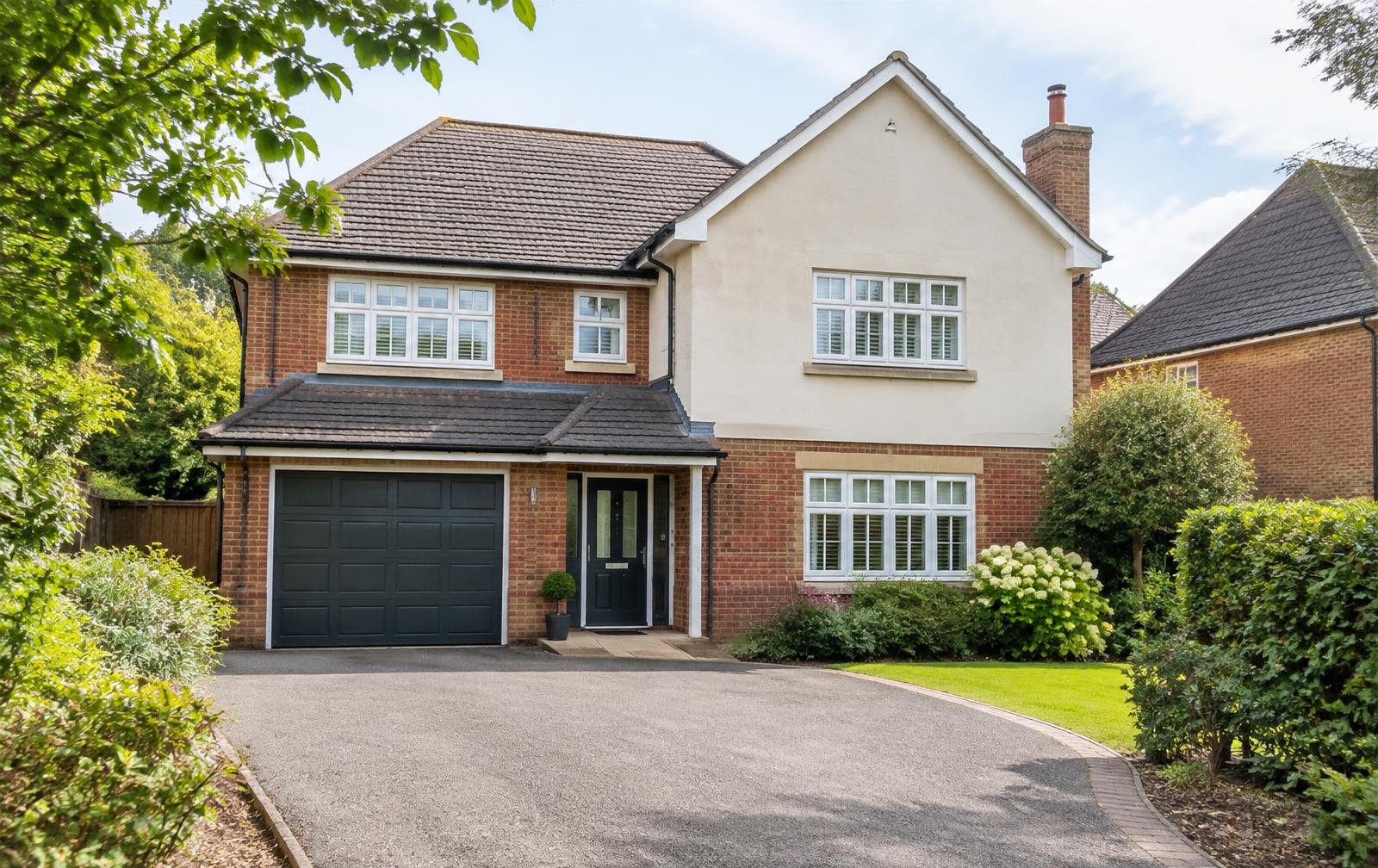
£1.6m Chiswick family home — Dubai-based family

An AED-paid family could prepare a Dubai salary certificate, contractual schooling and housing allowances, deposit-source records and intended occupancy details for an individual affordability assessment.
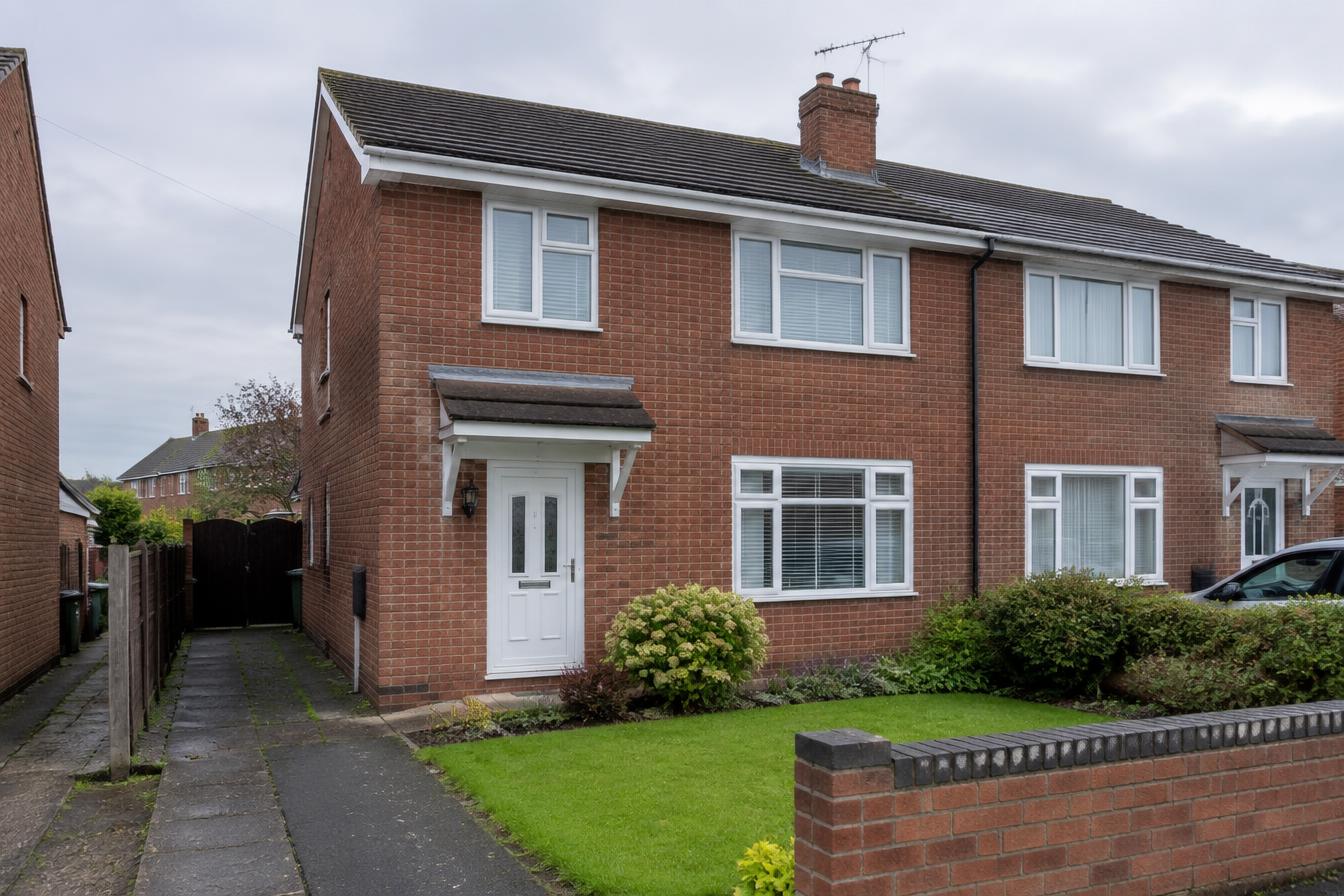
Illustrative — not a completed transaction

£780k Birmingham buy-to-let — Dubai Marina professional

A first-time overseas landlord could separate basic salary from variable bonus income and prepare a deposit transfer trail from a Dubai bank account into sterling.

Illustrative — not a completed transaction

£2.4m portfolio remortgage — Dubai business owner

An owner of a Dubai trading company could prepare the trade licence, audited accounts, evidence of personal salary or dividends and UK property valuations for a capital-raising assessment.

Lenders vary. Evidence, income acceptance, residency requirements and terms depend on the lender and your circumstances. This is general preparation guidance, not an offer of finance.

Planning figures at a glance: loan-to-value up to 80% on eligible products, a 25% – 40% typical planning deposit and 8–14 weeks from a complete application.

Can I book a callback in Dubai time?

In short: yes — choose a time in Dubai time (GMT+4) on the enquiry form and we show the matching UK time.

Dubai does not change its clocks, so the UK is four hours behind in winter and three hours behind during British Summer Time. The form handles this for the date you pick.

Request a callback in Dubai time

Recent transactions

More expat cases from other countries

These additional cases involve applicants in other countries; they do not establish eligibility for applicants on this page.

Why clients choose us

Benefits at a glance

Dubai income considered

Verified dirham income converted into sterling, with any lender-specific affordability adjustment explained before you apply.

Dollar-pegged dirham

The UAE dirham is fixed to the US dollar at AED 3.6725 per USD. This provides stability against the dollar and may support more favourable income-conversion treatment than some more volatile currencies, depending on the lender. Any affordability reduction (a “haircut”) is lender-dependent, and the peg does not remove sterling exchange-rate risk.

Contractual allowances

Housing, transport and schooling payments assessed according to their terms, evidence and whether they remain sustainable.

Gulf banking evidence

Dubai banking history may help support applications with a thin UK credit file, subject to lender checks.

Buy-to-let portfolio

Separate eligibility and ownership checks for individual, UK SPV and offshore buy-to-let structures.

Returning to the UK

Purchase and remortgage options may include UK resident rates where your return and future income meet the selected lender's criteria.

Contributor

Portrait of James Caldwell

James Caldwell

Director

LinkedIn profile
  • Co-founder
  • 26+ years in business and finance
  • Property finance specialist

James co-founded Clifton and has spent more than a decade building a specialist property finance business covering residential mortgages, bridging, development finance and complex international cases.

Short-term option · indicative

Need to move quickly? Bridging finance for expats in Dubai

A standard expat mortgage normally takes 8–14 weeks from a complete application. An auction, chain break or purchase deadline may make UK bridging finance an option for a Dubai-based buyer. Lenders assess the UK property, borrower circumstances, overseas identity and source-of-funds evidence, and a credible repayment exit. Income, affordability where relevant, residence and regulatory requirements still affect eligibility.

  • Speed: around 3–5 weeks, subject to valuation, legal work, complete documents and lender approval; speed is not guaranteed.
  • Indicative cost: around 0.65%–1.00% per month, plus fees.
  • Loan-to-value: usually up to about 70%; the term is assessed case by case.
  • Exit: planned from day one — usually refinancing onto a term expat mortgage, or a sale.

Bridging is short-term and can cost more than a mortgage. A future mortgage is not guaranteed: assess refinance eligibility and affordability before committing and allow for delays. The secured property is at risk if the bridge cannot be repaid. See UK bridging loans for expats and non-residents for full criteria. Indicative ranges, not live lender pricing.

Ask whether bridging fits your timescale

Where do the figures on this page come from?

Frequently asked

Questions from clients

Can expats living in Dubai get a UK mortgage?

Yes. British expats and other eligible foreign nationals living in Dubai can be considered for UK residential and buy-to-let mortgages on verified dirham (AED) income, without returning to the UK. The dirham is fixed to the US dollar at AED 3.6725 per USD, which may support more favourable income treatment than volatile currencies, depending on the lender. Eligible products can reach 80% loan-to-value, requiring a 20% deposit; 25% – 40% is a typical planning range. Purchases and remortgages normally take 8–14 weeks from a complete application, subject to valuation, legal work and lender criteria.

Is Dubai income accepted by UK lenders?

Yes. Specialist lenders can accept AED salary from Dubai employers, whether based onshore or in free zones such as the Dubai International Financial Centre (DIFC). Lenders convert the income into sterling for affordability and may reduce the converted figure for currency risk. They normally need an employment contract, salary certificate or payslips and matching bank credits; the treatment of allowances and bonuses varies by lender.

What deposit do Dubai-based buyers need?

25% – 40% is a typical planning range. Eligible products at 80% loan-to-value require a 20% deposit, but are not available to every applicant or property. Buy-to-let, company purchases and private-bank arrangements have separate criteria. UK taxes, legal fees and currency-transfer costs need a separate cash budget.

Do Dubai allowances and school fees count as income?

Contractual housing, transport and schooling allowances may be accepted where an employer confirms them and they are evidenced in the pay records. Discretionary payments and benefits that stop when you leave Dubai may be excluded or only partly counted. Lenders vary.

How does the dollar-pegged dirham affect my application?

The dirham is fixed to the US dollar, not sterling, so the sterling value of your Dubai salary moves with the pound–dollar rate. Lenders usually convert AED income at the day's rate and may reduce it for currency risk. A fixed-rate UK mortgage stays fixed in sterling, so the dirham cost of each payment still moves with the exchange rate.

Can I buy UK property through a Dubai or offshore company?

Some specialist and private-bank routes can consider company ownership, but a UK SPV is often more straightforward for buy-to-let. Dubai and offshore structures require separate checks on ownership, source of wealth and lender appetite. Obtain independent legal and tax advice before choosing a structure.

Can I remortgage UK property while living in Dubai?

Yes, subject to lender criteria. Options can include a product switch with your existing lender, refinancing to another expat lender or capital raising. Provide your current mortgage balance, estimated property value, fixed-rate end date, any early-repayment charge, property use and Dubai income evidence.

Can returning Dubai expats buy or remortgage at UK resident rates?

If you are returning from the UAE to live in the UK, we can often source mortgages based on UK resident rates rather than expat rates, for a purchase or remortgage. This is not automatic: the lender checks your return date, intended UK home, employment or other sustainable income, and when that income starts. Tell us whether you will occupy the property yourself or continue letting it; a rental property may still need a buy-to-let mortgage.

How long does the process take from Dubai?

Plan for 8–14 weeks from a complete mortgage application to completion. Valuation, legal work, overseas identity checks and document certification affect timing; complex ownership or income can take longer. A product switch may be quicker.

What documents do I need as a Dubai resident?

Typically a passport, UAE residence evidence and Emirates ID, employment contract and salary certificate or payslips, three to six months of personal bank statements, and source-of-deposit evidence. Remortgages also need a current mortgage statement and occupancy or letting details. Business owners may need a Dubai trade licence, accounts and evidence of salary or dividends. Certification requirements vary by lender.

Does tax-free Dubai income or my end-of-service gratuity help?

The UAE does not levy personal income tax, so lenders assess your net Dubai pay as evidenced on payslips and bank credits. An end-of-service gratuity is usually treated as savings that can fund a deposit, with its source evidenced, rather than as ongoing income.

Do I pay extra stamp duty as a Dubai resident?

It can. HMRC charges an extra 2% Stamp Duty Land Tax on residential purchases in England and Northern Ireland when any buyer is non-UK resident for the purchase. An individual is non-UK resident for this test if they were not in the UK at the end of at least 183 days in the 12 months before the purchase; days anywhere in the UK count. Married couples and civil partners buying together, and not separated, are both treated as UK resident if either meets the test. The surcharge applies even if you plan to live in the property. If you later spend at least 183 days in the UK in a continuous 365-day period that falls between 364 days before and 365 days after the purchase date, you may be able to claim a refund within two years of the purchase; with joint buyers, every buyer must meet this rule. The surcharge does not apply in Scotland or Wales, which have their own property taxes. Higher rates for additional properties may apply separately, including if you own residential property in Dubai. Your solicitor should confirm the position.

Can I get a UK mortgage on a new Dubai contract or while on probation?

Some lenders can consider a new contract, particularly where you have stayed in the same line of work, but many prefer you to have passed probation. Contract length, renewal history and visa status are reviewed together; lenders vary.

Do I need the Dubai page or the UAE-wide page?

Use this page for guidance written around living and working in Dubai. The country-wide guide covers Abu Dhabi, Sharjah and the wider Emirates, including how UAE income types, refinancing scenarios and purchase-versus-remortgage choices are assessed. The lender criteria are the same; only the emphasis differs.

Currency exchange

Earning overseas? Your deposit is exposed until it’s in sterling.

Expat buyers moving dollars, dirhams, riyals or euros into the UK can lose thousands to bank margins and rate moves. We introduce you to an FCA-authorised currency specialist who plans your transfer around exchange and completion.

  • Forward contracts to fix your sterling deposit before completion
  • Better-than-bank rates on large one-off and regular transfers
  • Flexible contact across time zones with a dedicated specialist

Clifton introduces clients to a specialist currency partner and does not hold, convert or transfer client funds.

UK expat finance

Ready to explore your options?

Speak to a UK property finance specialist.

A discreet, no-obligation conversation with a UK-based adviser who understands the full UK lending landscape — residential, bridging, development and commercial.